
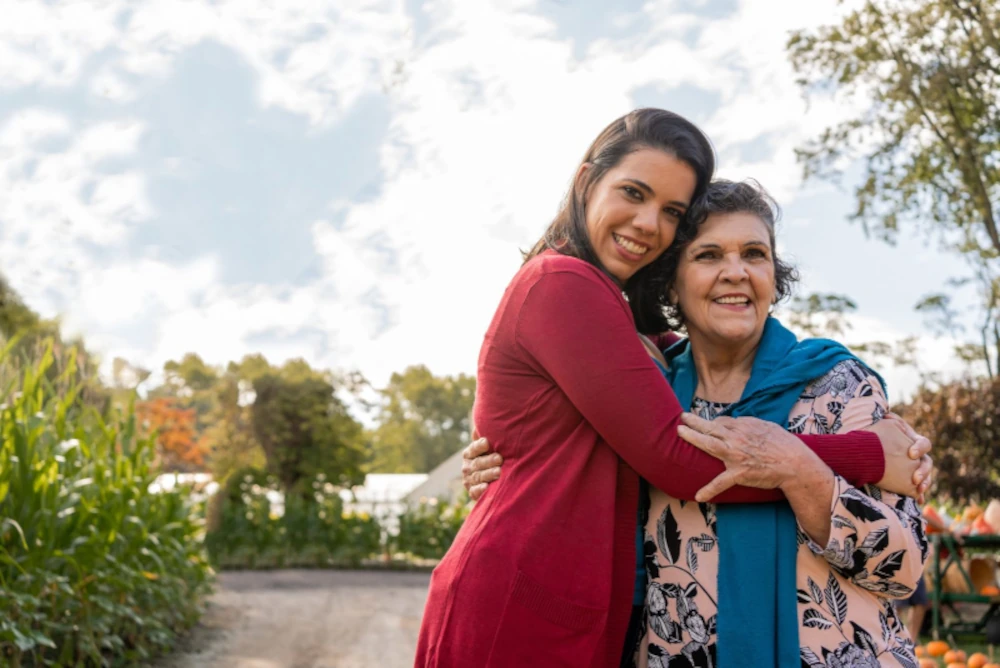
Caring for a loved one at home can be one of the most meaningful acts of service-but it can also bring financial strain. In Wyoming, the state recognizes the vital role family caregivers play in helping seniors, people with disabilities, and those with chronic illnesses maintain independence and dignity.
Through several programs offered by the Wyoming Department of Health and Medicaid Home and Community-Based Services (HCBS), eligible family members can receive compensation for providing daily care. Whether you’re assisting with personal hygiene, meal preparation, or medication management, these programs help ensure your efforts are valued and supported.
This guide explains how to get paid as a family caregiver in Wyoming, covering eligibility, major programs, and the step-by-step process to begin.
What Is a Paid Family Caregiver?
A paid family caregiver is someone who provides daily support and care to a loved one-such as an aging parent, disabled adult, or child with special needs-and receives financial compensation for their services. In Wyoming, this arrangement is often funded through Medicaid waiver programs or Veteran-Directed Care, allowing families to keep loved ones safely at home rather than in a facility.
Paid caregivers help with essential tasks like bathing, dressing, meals, transportation, and medication reminders. They may also assist with companionship and emotional support. To qualify for payment, both the caregiver and the care recipient must meet specific program requirements.
This setup benefits families by combining compassionate care with financial assistance, ensuring stability and quality of life for everyone involved.
Landscape of Family Caregiving in Wyoming
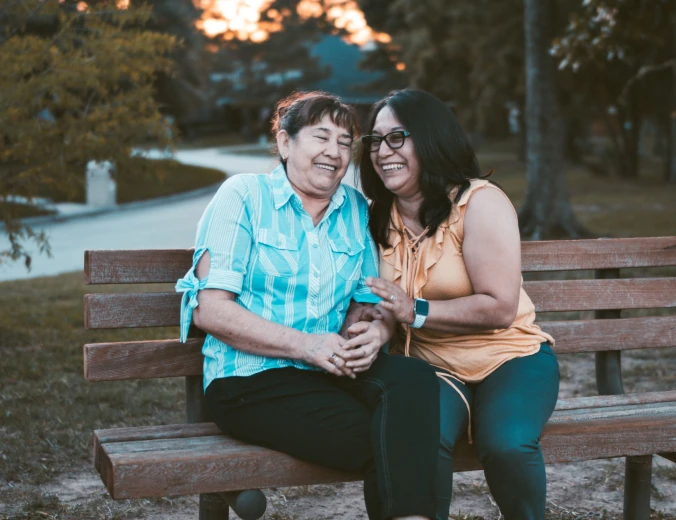
Family caregiving plays a vital role in Wyoming’s health and community support system. With many residents living in rural or remote areas, access to traditional long-term care facilities can be limited. As a result, families often become the primary source of daily assistance for aging parents, relatives with disabilities, or individuals recovering from illness. The Wyoming Department of Health and its Aging Division have recognized this reality by expanding programs that allow family members to be compensated for providing in-home care.
Through Medicaid’s Community Choices Waiver (CCW) and Personal Care Services (PCS), eligible caregivers can receive financial support for helping loved ones with activities of daily living. These initiatives not only reduce strain on the state’s healthcare system but also allow families to maintain their loved ones’ independence in familiar surroundings. Wyoming’s approach highlights the growing value placed on home-based care-offering both emotional comfort and practical financial relief to dedicated family caregivers across the state.
Why Wyoming Supports Paid Family Caregiving
1. Promoting Independence and Home-Based Living
Wyoming’s support for paid family caregiving stems from a strong belief in independence and personal choice. The state recognizes that most residents prefer to receive care in their own homes rather than in institutional facilities. Home-based care allows individuals-especially seniors and people with disabilities-to maintain dignity, comfort, and a sense of familiarity.
By compensating family members to provide this care, Wyoming helps loved ones remain in their communities while ensuring they receive consistent and compassionate support.
2. Addressing Rural Health Challenges
Much of Wyoming’s population lives in rural or remote areas, where access to hospitals and specialized care can be limited. Family members often become the first line of support for aging parents or disabled relatives. The Wyoming Department of Health (WDH) and its Aging Division recognize this reality and have implemented programs like the Community Choices Waiver (CCW) and Personal Care Services (PCS) to support family caregivers.
These programs allow eligible caregivers to be paid through Medicaid for providing essential daily assistance-reducing the burden on the healthcare system and ensuring residents receive timely care regardless of location.
3. Economic Benefits for Families and the State
Institutional care such as nursing homes or assisted living facilities can cost thousands of dollars each month. In contrast, in-home caregiving is far more affordable for the state and families alike. By compensating family members for their caregiving efforts, Wyoming saves on Medicaid expenditures while helping families maintain financial stability. Paid family caregiving also stimulates local economies by creating legitimate, tax-paying jobs within communities-especially important in smaller towns where employment opportunities can be limited.
4. Emotional and Social Advantages
Family caregiving provides emotional comfort that professional institutions often cannot replicate. When loved ones are cared for by familiar faces, they experience lower stress, improved mental health, and better overall well-being. Home environments foster a sense of safety, reduce loneliness, and help care recipients stay connected to their family traditions and daily routines. Wyoming’s approach prioritizes this human connection, recognizing that emotional stability is as important as physical care.
5. Supporting the Caregivers Themselves
Caring for a loved one can be both rewarding and exhausting. Without financial assistance, many family caregivers face burnout, financial hardship, or the difficult choice of leaving employment to provide care full-time. Wyoming’s paid caregiving programs help prevent these issues by offering caregivers income, training opportunities, and professional recognition. Programs administered through Medicaid and coordinated with case managers give families structure, guidance, and peace of mind.
6. Building a Sustainable Future for Care
Ultimately, Wyoming’s investment in paid family caregiving reflects a forward-thinking approach to long-term care. The state’s policies reduce healthcare costs, strengthen families, and preserve community ties-all while ensuring that vulnerable residents receive quality support. By blending compassion with practicality, Wyoming is building a sustainable caregiving model that values both caregivers and care recipients, creating a system rooted in dignity, empathy, and mutual benefit.
Is Home-Based Care the Future of Healthcare?
Home-based care is rapidly emerging as a cornerstone of modern healthcare, particularly in states like Wyoming, where family caregiving plays an essential role. Advances in telehealth, home monitoring technology, and state-supported care programs have made it easier for individuals to receive high-quality care without entering a facility. This shift not only reduces healthcare costs but also improves comfort, emotional well-being, and long-term outcomes for patients.
For seniors and people with disabilities, remaining at home fosters independence and dignity while strengthening family bonds. As healthcare systems nationwide prioritize preventive and personalized care, home-based services-supported by Medicaid waivers and caregiver programs-are becoming the preferred model. The future of healthcare is compassionate, cost-effective, and centered around the home.
Main Programs That Pay Family Caregivers in Wyoming
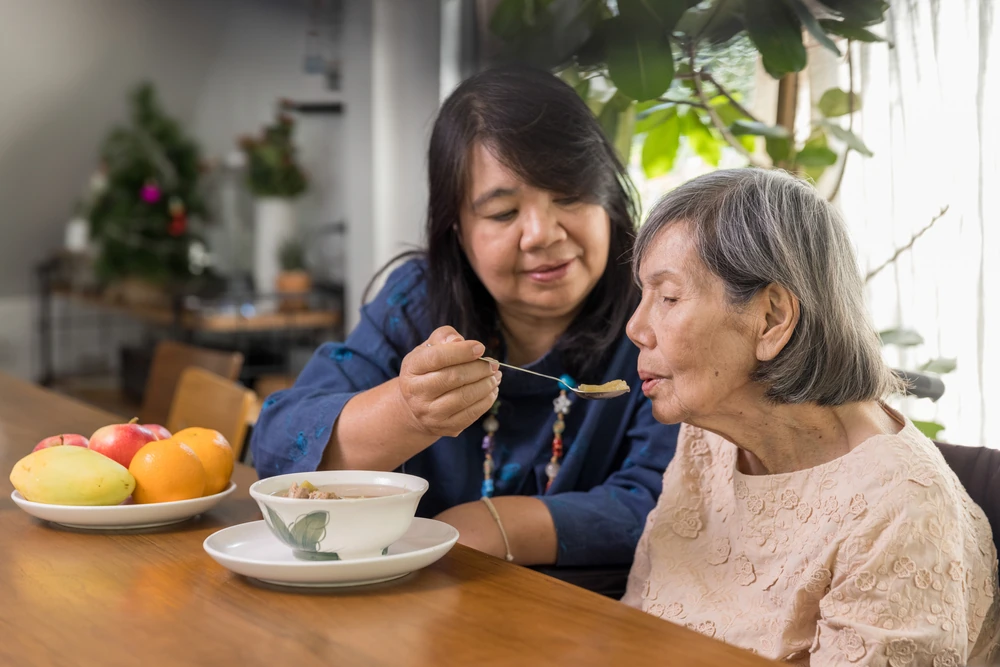
Wyoming offers several programs designed to financially support family members who provide in-home care to loved ones. These initiatives are primarily funded through Medicaid and aim to help individuals with disabilities, chronic illnesses, or age-related conditions remain in their homes while ensuring that caregivers are fairly compensated for their time and commitment.
Below are the key programs that make paid family caregiving possible in Wyoming.
1. Community Choices Waiver (CCW)
The Community Choices Waiver (CCW) is Wyoming’s most well-known program for supporting paid family caregivers. Administered by the Wyoming Department of Health’s Aging Division, it helps older adults and people with physical disabilities who require long-term care services but wish to remain at home rather than move into a nursing facility.
Under the CCW, eligible participants can choose between traditional provider-managed services or self-directed care, which allows them to hire and pay a trusted family member or friend as their caregiver. The program covers assistance with activities of daily living (ADLs) such as bathing, grooming, meal preparation, light housekeeping, and transportation. Caregivers are paid through Medicaid funds, and the care plan is customized to the recipient’s needs following an official assessment.
2. Personal Care Services (PCS)
The Personal Care Services (PCS) program is another Medicaid-funded option available to eligible Wyoming residents. It provides non-medical support for individuals who need help with personal tasks due to age, illness, or disability. This program enables recipients to remain independent at home while receiving assistance from qualified caregivers-including family members in certain circumstances.
PCS typically covers services such as dressing, hygiene, toileting, meal planning, and basic mobility support. To qualify, the care recipient must undergo a needs assessment conducted by a case manager through the Wyoming Department of Health. Once approved, the caregiver is hired and paid through an authorized Medicaid fiscal intermediary.
3. Veteran-Directed Care (VDC)
For veterans living in Wyoming, the Veteran-Directed Care (VDC) program provides an excellent opportunity for family members to be paid caregivers. This federal program, coordinated through the U.S. Department of Veterans Affairs (VA) and local VA Medical Centers, gives eligible veterans control over their own care budgets.
They can hire family members, friends, or other trusted individuals to provide assistance with daily living needs. The program promotes independence and flexibility while ensuring veterans receive personalized, compassionate care from people they trust most.
4. Private Pay and Long-Term Care Insurance Options
For families who do not qualify for Medicaid or VA programs, Wyoming also allows private pay arrangements and the use of long-term care insurance policies. Some families establish formal caregiver contracts that outline pay rates, hours, and duties, helping maintain clear financial and legal boundaries.
Together, these programs reflect Wyoming’s commitment to supporting family caregiving as a vital part of the state’s healthcare system. By offering multiple funding pathways, Wyoming empowers families to provide quality, compassionate care-keeping loved ones safe, supported, and comfortable in their own homes.
Wyoming Family Caregiving Timeline
The timeline for becoming a paid family caregiver in Wyoming typically takes four to eight weeks, depending on eligibility and documentation. First, the care recipient must complete a needs assessment through the Wyoming Department of Health to determine program qualification, such as for the Community Choices Waiver (CCW) or Personal Care Services (PCS). Once approved, a personalized care plan is developed outlining the caregiver’s authorized duties and hours.
The caregiver must then pass a background check, complete any required orientation or training, and be registered as a service provider. After these steps, care can officially begin, and payments are processed through the state’s Medicaid system or fiscal intermediary on a regular biweekly or monthly schedule.
Who Qualifies for Caregiver Pay in Wyoming

Becoming a paid family caregiver in Wyoming requires meeting specific eligibility criteria set by the Wyoming Department of Health (WDH) and Medicaid. Both the care recipient (the person receiving care) and the caregiver must meet certain qualifications before payment can begin. These rules ensure that care is provided safely, ethically, and according to state standards.
1. Care Recipient Qualifications
To qualify for paid caregiving programs such as the Community Choices Waiver (CCW) or Personal Care Services (PCS), the care recipient must meet the following conditions:
-
Residency: Must be a legal resident of Wyoming.
-
Medical Need: Must require assistance with daily living activities like bathing, eating, dressing, or mobility due to aging, disability, or chronic illness.
-
Financial Eligibility: Must meet income and asset limits under Wyoming Medicaid guidelines.
-
Functional Assessment: Must complete a comprehensive needs assessment conducted by a WDH or Aging Division case manager. This determines the number of authorized care hours and services.
-
Living Arrangement: Must live at home or in a community setting, not in a nursing facility or hospital.
-
Program Participation: Must be enrolled in an eligible program (CCW, PCS, or Veteran-Directed Care).
2. Caregiver Qualifications
A caregiver-whether a family member, friend, or trusted individual-must also meet specific criteria to receive payment:
-
Age Requirement: Must be at least 18 years old.
-
Relationship: Can be an adult child, sibling, or other relative; spouses are generally excluded from payment under Medicaid programs.
-
Background Check: Must pass a state and federal background check for safety purposes.
-
Training: Must complete required orientation or caregiver training, depending on the program.
-
Employment Status: Must be registered as an approved service provider or Individual Provider within the Medicaid system or fiscal agent network.
Both the care recipient and caregiver must comply with program guidelines and renew eligibility periodically. Meeting these qualifications ensures that Wyoming’s family caregiving programs provide safe, reliable, and compassionate care while offering financial relief and recognition to those dedicating their time to loved ones.
Step-by-Step: How to Get Paid as a Family Caregiver in Wyoming

Becoming a paid family caregiver in Wyoming is a structured but highly rewarding process that allows you to provide quality, in-home care to a loved one while receiving financial support. Whether you’re caring for an elderly parent, a disabled adult, or a veteran, Wyoming’s Medicaid and community-based programs provide pathways to turn your caregiving responsibilities into a paid position.
Below is a detailed step-by-step guide explaining how to navigate this process successfully.
Step 1: Understand the Role of a Paid Family Caregiver
Before applying, it’s important to understand what being a paid family caregiver entails. Paid caregivers provide daily living support such as bathing, dressing, medication management, mobility assistance, and meal preparation. They also handle light housekeeping, transportation to appointments, and emotional companionship. Wyoming’s caregiving programs are designed to help people who wish to remain in their homes instead of entering nursing facilities.
Being a paid caregiver means you’ll be treated as a formal service provider, either through the state’s Medicaid system or through a contracted fiscal agent. This comes with responsibilities such as completing timesheets, maintaining records, and following care plans.
Step 2: Confirm Your Loved One's Eligibility
The process begins with verifying whether your loved one qualifies for care under Wyoming’s Medicaid Home and Community-Based Services (HCBS) system. Programs such as the Community Choices Waiver (CCW) or Personal Care Services (PCS) cover eligible individuals who require help with daily tasks due to aging, chronic illness, or disability.
To be eligible, the care recipient must:
-
Be a legal Wyoming resident.
-
Require hands-on assistance with daily living activities.
-
Meet Medicaid’s income and asset requirements.
-
Live at home or in a community setting, not a nursing facility.
You can start by contacting your local Wyoming Department of Health (WDH) office or the Aging Division. They will connect you with a case manager, who will schedule an assessment to determine medical and financial eligibility.
Step 3: Schedule and Complete the Care Assessment
Once eligibility has been initiated, a Comprehensive Needs Assessment will be conducted by a state case manager or social worker. This assessment evaluates the care recipient’s medical condition, daily living needs, and level of dependency.
The assessment typically includes:
-
A review of medical records.
-
Observation of the care recipient’s functional abilities.
-
Questions about daily routines and challenges.
-
Determination of how many hours of care per week are needed.
The outcome of this assessment will determine the care recipient’s approval for Medicaid-funded programs and the amount of authorized care hours a caregiver can be paid for.
Step 4: Choose the Appropriate Program
Wyoming offers multiple pathways for paid caregiving. The three main programs are:
Community Choices Waiver (CCW): Designed for seniors and disabled adults who require long-term care but prefer to remain at home. This program allows self-directed care, meaning the participant can hire a family member as a paid caregiver.
Personal Care Services (PCS): Covers non-medical assistance for those who qualify for Medicaid but need help with personal hygiene, dressing, eating, and mobility.
Veteran-Directed Care (VDC): For veterans who need ongoing care and want to hire a family member or trusted friend using VA funding.
Your case manager will help you determine which program best fits your family’s situation.
Step 5: Develop a Personalized Care Plan
Once approved for a program, a Personalized Care Plan will be created. This plan outlines the care recipient’s specific needs, authorized care hours, and the caregiver’s approved responsibilities. It acts as the official agreement between the caregiver, care recipient, and Medicaid.
The plan ensures that care remains consistent, appropriate, and in line with the recipient’s medical and personal needs. Both the caregiver and the recipient (or their legal representative) must review and sign the plan before services can officially begin.
Step 6: Complete Background Check and Provider Enrollment
To be paid as a family caregiver, you must become an authorized service provider within Wyoming’s Medicaid system. This involves completing several steps:
-
Submit identification documents and proof of eligibility to work in the U.S.
-
Undergo a criminal background check and possibly fingerprinting.
-
Complete required paperwork for provider enrollment through the Medicaid program or fiscal agent.
This step ensures the safety and integrity of Wyoming’s home care system. Once approved, you will be officially recognized as a provider and eligible for payment.
Step 7: Complete Required Orientation and Training
Caregivers may need to complete training or orientation depending on the program and care complexity. The Wyoming Department of Health often requires an overview of program rules, care documentation, and basic safety procedures.
Training may cover:
-
Proper lifting and mobility techniques.
-
Infection prevention and hygiene standards.
-
Medication assistance.
-
Emergency response and communication with case managers.
Some programs may provide optional advanced training, which can increase your pay rate or enhance your caregiving skills.
Step 8: Begin Providing Care and Document Hours
After approval, you can officially begin providing care under the authorized schedule. You will be required to log your hours and activities accurately each week or month, depending on your program.
Wyoming uses a fiscal intermediary system-a third-party organization that processes payroll and timesheets for Medicaid caregivers. Most caregivers submit timesheets electronically or by phone. Accurate documentation ensures timely payment and compliance with Medicaid regulations.
Step 9: Receive Payment for Services
Once your timesheets are verified, payments are processed through the fiscal agent or directly by the Wyoming Department of Health’s Medicaid Division. Pay rates typically range between $13 and $20 per hour, depending on the program, county, and care recipient’s level of need.
Payments are usually issued biweekly or monthly. Some programs may also reimburse for mileage, training, or supplies used during caregiving. It’s important to stay organized and submit all paperwork on time to avoid delays.
Step 10: Maintain Eligibility and Compliance
Caregiving does not end once payments begin-ongoing compliance is essential. Both the caregiver and care recipient must:
-
Participate in periodic reassessments to review ongoing care needs.
-
Submit updated documentation if there are changes in living arrangements, medical conditions, or financial status.
-
Continue meeting training or certification renewal requirements if applicable.
Failure to comply may result in payment delays or program suspension, so staying proactive and communicative with your case manager is crucial.
Step 11: Access Support and Resources
Wyoming provides several resources to help family caregivers succeed. The Aging Division, Wyoming 211, and AARP Wyoming offer guidance on support groups, respite programs, and caregiver training. The Wyoming Veterans Commission can assist veterans and their families with VA benefits under the Veteran-Directed Care Program.
In addition, local Area Agencies on Aging help families navigate paperwork, renewals, and access supplemental programs such as transportation assistance or meal delivery.
Step 12: Plan for Long-Term Stability
Caring for a loved one can be emotionally fulfilling yet physically demanding. Wyoming encourages caregivers to practice self-care, take advantage of respite services, and explore future benefits like health insurance and retirement options if eligible. Some caregivers eventually transition into professional caregiving careers through continued training and certification.
By maintaining open communication with your case manager, attending regular training, and staying compliant, you can build a sustainable caregiving arrangement that supports both you and your loved one for years to come.
Becoming a paid family caregiver in Wyoming is a structured process that rewards dedication and compassion. It requires completing assessments, enrolling in approved programs, and following specific state guidelines-but the outcome is worth it. Not only do you receive financial stability, but your loved one gains the comfort, dignity, and personalized care only a family member can provide.
How Much Do Family Caregivers Get Paid in Wyoming?
In Wyoming, family caregivers participating in programs like the Community Choices Waiver (CCW) or similar Medicaid-funded home-and-community-based services typically earn around US $16 to US $18 per hour, depending on the locality and level of care required.
Actual pay can vary based on several factors:
-
The specific program in which the care recipient is enrolled (CCW, Personal Care Services (PCS), veteran-directed funds).
-
The number of approved care hours and the intensity of care tasks (e.g., basic personal care vs. extensive supervision).
-
Regional wage norms and cost-of-living differences across Wyoming.
-
Whether the caregiver holds advanced training or certification that may warrant a higher rate.
For example, one guide lists an average rate of about $15.90 per hour for Wyoming family caregivers. Thus, while these rates provide a helpful benchmark, individual circumstances will influence the exact hourly payment.
Training and Certification Requirements
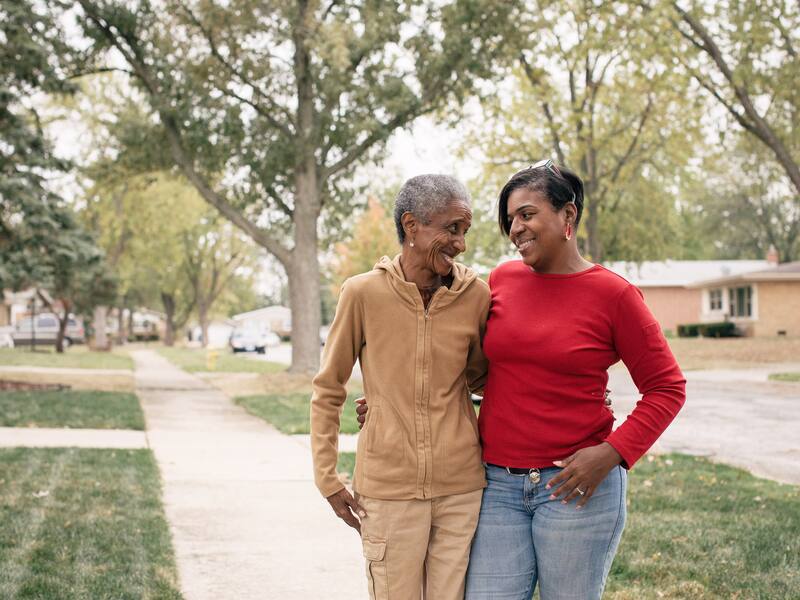
In Wyoming, training and certification requirements for family caregivers vary depending on the program and the nature of care being provided. Here’s a breakdown of key points to keep in mind:
Minimum Training Hours
For many non-medical home care roles such as homemaker or personal care aide, Wyoming requires a minimum of 8 hours of initial training covering topics such as personal hygiene, infection control, communication, and emergency procedures.
Core Concepts Covered
Training typically includes modules on:
-
Communication skills and maintaining client dignity
-
Infection control and safety precautions
-
Basic personal care tasks and mobility support
-
Recognizing abuse/neglect and knowing mandatory reporting obligations
Certification & Competency
While a formal “certification” may not always be mandated for every paid family caregiver arrangement, many training providers offer courses that lead to a certificate of completion-which helps demonstrate competence and may support eligibility for caregiver pay. Ongoing competency evaluations (sometimes every six months) may be required, especially under supervised home care programs.
Additional Training Options
For caregivers working with specialized populations-such as those living with dementia-additional certificates may be available. For example, the Wyoming Center on Aging offers an online Dementia Care Certificate for direct care workers, providing up to 18 continuing education hours. uwyo.edu
Why It Matters
Completing the required training ensures caregivers are prepared to provide safe, respectful, and effective support. It also helps meet the administrative and regulatory requirements that state-funded programs may impose before payment can begin.
If you’d like specifics for a particular Wyoming program (e.g., waiver-based caregiver pay), I can check and share the latest requirements.
Benefits and Challenges of Paid Family Caregiving
Paid family caregiving in Wyoming offers a meaningful balance of compassion and financial stability, but it also comes with challenges that families must navigate thoughtfully.
Benefits:
The most significant advantage is the ability to earn income while caring for a loved one at home. Programs like the Community Choices Waiver (CCW) and Personal Care Services (PCS) make it possible for caregivers to be fairly compensated for their time and dedication. This financial support helps reduce stress and allows families to avoid costly institutional care. In addition, home-based caregiving improves quality of life for care recipients-providing emotional comfort, familiar surroundings, and a greater sense of dignity. Caregivers can also build valuable professional experience and often gain access to training, health coverage, and respite services that improve their own well-being.
Challenges:
Despite these benefits, caregiving can be physically and emotionally demanding. Long hours, limited personal time, and complex paperwork can lead to burnout. Some family members-such as spouses-may not qualify for pay under certain Medicaid programs, restricting options. Additionally, caregivers must balance compliance with state regulations, ongoing training, and communication with case managers.
In short, Wyoming’s paid caregiving model empowers families and enhances community care, but success requires organization, resilience, and self-care to sustain both the caregiver and the loved one receiving support.
Tips for Successful Caregiving in Wyoming
-
🕒 Stay organized: Keep a calendar for appointments, medications, and care schedules.
-
🧾 Maintain accurate records: Log care hours, submit timesheets promptly, and track expenses.
-
💬 Communicate clearly: Keep open contact with your case manager and report any health or condition changes.
-
💪 Prioritize self-care: Take regular breaks, get enough rest, and use respite services when available.
-
🎓 Continue training: Enroll in caregiver education programs to improve skills and meet state requirements.
-
🤝 Seek support: Join caregiver groups through local Area Agencies on Aging or the Wyoming Center on Aging.
-
🏡 Ensure home safety: Remove trip hazards, install grab bars, and maintain a clean environment.
-
💖 Stay patient and compassionate: Focus on emotional connection and empathy-it makes care more meaningful.
Resources to Get Started in Wyoming
If you’re ready to apply for paid family caregiving, these trusted Wyoming resources can help you begin:
-
Wyoming Department of Health – Aging Division: Learn about eligibility and apply for programs like the Community Choices Waiver (CCW). https://health.wyo.gov/aging/
-
Community Choices Waiver (CCW) Information: Details on Medicaid self-directed caregiving programs. https://health.wyo.gov/ltc/ccw/
-
Wyoming Veterans Commission: Support for veterans and family caregivers under the Veteran-Directed Care program. https://wyomilitary.wyo.gov/veterans/
-
AARP Wyoming – Caregiver Resources: Offers guides, workshops, and financial planning tools. https://states.aarp.org/wyoming/
These organizations provide step-by-step help with eligibility, training, and program enrollment.
FAQs
Can I get paid to take care of my mother in Wyoming?
Yes. Wyoming’s community based services waiver and structured family caregiving program under government programs and health and human services provide caregiving support for seniors at a nursing facility level. These waiver services help cover caregiving expenses, medical care, and respite care through qualified providers or own care providers.
Can a family member get paid to be a caregiver in Wyoming?
Yes. Certain family members may receive pay under self directed services, self directed attendant care, or the aged and disabled waiver. These Medicaid services and human services programs allow informal caregivers to become own caregivers or hire companion services through a provider agency.
Can you get paid for taking care of your parents in Wyoming?
Yes. Government programs and caregiver support initiatives such as Medicaid eligibility and disabled waiver programs can program pays for services provided at home. Caregivers can access personal emergency response system, adult day services, or skilled services through insurance company or insurance agent assistance.
Can I be a caregiver for my autistic child in Wyoming?
Yes. Parents of children with developmental disabilities or intellectual disabilities may qualify through self directed program, comprehensive assistance, or Medicaid services. These allow for a flexible budget, home health aide, and caregiving services to support children with a serious health condition or permanent disability.
Can a spouse be a paid caregiver in Wyoming?
Yes. A spouse may qualify under veterans benefits, self directed program, or community based services waiver. These government programs and senior services help cover caregiving expenses, medical care, and paid family leave, allowing families to manage caregiving support at home with own caregivers or informal caregivers.
Conclusion
Becoming a paid family caregiver in Wyoming allows you to support a loved one while earning fair compensation for your time and care. Through programs like the Community Choices Waiver (CCW), Personal Care Services (PCS), and Veteran-Directed Care (VDC), the state empowers families to provide home-based support that preserves dignity and independence.
By meeting eligibility requirements, completing training, and working with the Wyoming Department of Health, caregivers can turn their compassion into a sustainable and recognized role. This approach benefits everyone-care recipients receive consistent, loving attention, while caregivers gain financial stability and valuable experience.
Wyoming’s paid caregiving system reflects a growing commitment to family-centered care that keeps loved ones safe, supported, and thriving at home.