
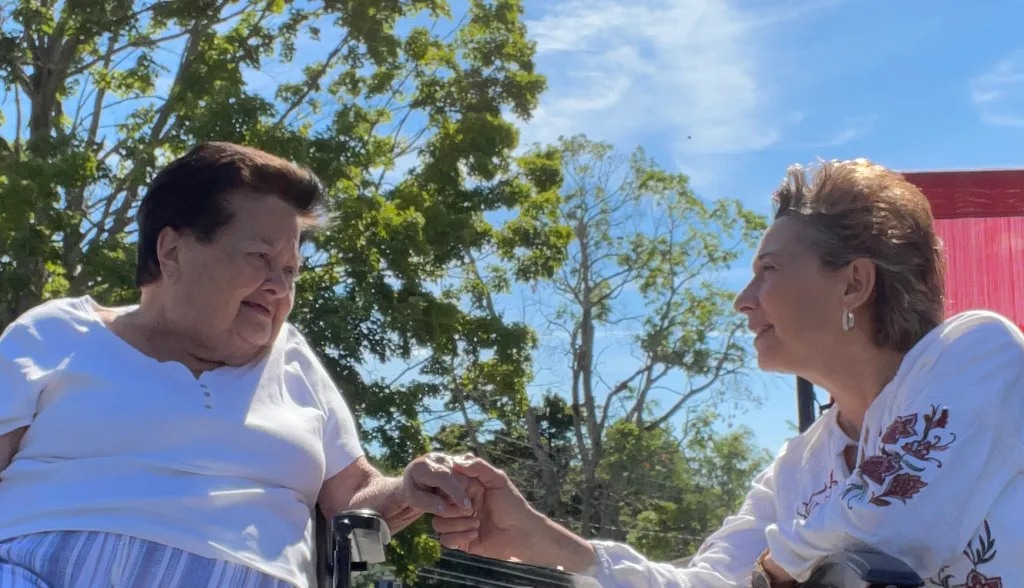
Caring for a loved one is an act of compassion, but it can also bring financial challenges. In Ohio, several programs make it possible for family members to receive pay for providing essential in-home care to aging parents, disabled children, or relatives with long-term health needs. Through Medicaid waivers, veteran assistance programs, and state-supported initiatives, eligible caregivers can earn compensation for the time and effort they dedicate.
Whether you’re helping with daily tasks, medication management, or companionship, this guide explains how to get paid to take care of a family member in Ohio-covering programs, eligibility, and practical steps.
Understanding Paid Family Caregiving in Ohio
In Ohio, paid family caregiving allows relatives to receive compensation for providing essential care to loved ones who need help with daily activities.
The goal is to keep individuals safely in their homes instead of moving to nursing facilities. Ohio’s Department of Medicaid (ODM) and Department of Aging manage programs like the PASSPORT Medicaid Waiver and Ohio Home Care Waiver, which allow eligible family members to serve as paid caregivers. These programs cover personal care, meal preparation, transportation, and household tasks.
In addition, the Department of Developmental Disabilities (DODD) and Veterans Affairs offer similar caregiver payment options. Through these initiatives, Ohio recognizes the value of family caregiving as both compassionate and cost-effective long-term support.
Key Programs That Pay Family Caregivers in Ohio

Ohio offers several state and federal programs that allow family members to receive compensation for providing in-home care to loved ones. These programs help individuals remain independent while giving caregivers financial support for their time and effort.
1. PASSPORT Medicaid Waiver Program
-
Designed for seniors aged 60 and older who need nursing-home-level care but prefer to stay at home.
-
Funded by Ohio Medicaid and managed through local Area Agencies on Aging (AAA).
-
Allows family members (except spouses) to be hired as paid caregivers.
-
Covers services like personal care, meal prep, light housekeeping, and transportation.
2. Ohio Home Care Waiver (OHCW)
-
Supports individuals under 60 with physical disabilities or chronic medical conditions.
-
Provides home-based care, nursing, and personal assistance services.
-
Family members may be hired as independent providers if they meet state qualifications.
-
Managed by the Ohio Department of Medicaid (ODM).
3. DODD Waivers (Level One, SELF, and Individual Options)
-
Administered by the Ohio Department of Developmental Disabilities (DODD).
-
Serve individuals with developmental or intellectual disabilities.
-
Allow families to select and pay caregivers, including certain relatives.
-
Services include respite care, community integration, and daily living assistance.
4. Veterans Directed Care (VDC) Program
-
For eligible veterans who need home care.
-
Administered by the U.S. Department of Veterans Affairs.
-
Veterans manage a budget to hire and pay family members as caregivers.
5. Family Caregiver Support Program (FCSP)
-
Managed by local Area Agencies on Aging.
-
Offers respite care, training, and limited financial stipends for unpaid caregivers of older adults.
Together, these programs provide multiple paths for Ohio caregivers to receive financial recognition while delivering compassionate home-based care.
Eligibility Requirements
Eligibility for paid family caregiving in Ohio depends on both the care recipient and the caregiver.
For the care recipient:
-
Must be an Ohio resident who qualifies for Medicaid or a specific state program such as PASSPORT, OHCW, or DODD waivers.
-
Must require assistance with activities of daily living (ADLs) such as bathing, dressing, or eating.
-
Seniors must be 60 or older (for PASSPORT), or individuals under 60 must have a disability or chronic condition (for OHCW).
For the caregiver:
-
Must be 18 years or older and legally eligible to work in the U.S.
-
Must pass background checks and health screenings.
-
Usually cannot be the spouse or legal guardian of the recipient (except under some waivers).
Step-by-Step: How to Get Paid as a Family Caregiver in Ohio

Becoming a paid family caregiver in Ohio can make a big difference for families who want to care for loved ones at home while maintaining financial stability. The state offers multiple programs through Medicaid, the Department of Developmental Disabilities (DODD), and the Department of Aging.
Below is a detailed guide on how to navigate the process from start to finish.
Step 1: Determine Your Loved One's Care Needs
Begin by identifying the level of care your family member requires. Do they need help with personal care, mobility, or household tasks? Are they a senior, disabled adult, or veteran? The answers will help you choose the right program-PASSPORT for seniors, Ohio Home Care Waiver for disabled adults under 60, DODD Waivers for those with developmental disabilities, or Veterans Directed Care for qualifying veterans.
Step 2: Check Eligibility for Medicaid or Other Programs
Most Ohio caregiver payment programs are Medicaid-funded. To qualify, your loved one must:
Be an Ohio resident.
Meet income and asset limits under Ohio Medicaid.
Need help with daily living activities.
Apply for Medicaid online via https://benefits.ohio.gov, by calling 1-800-324-8680, or through your local Job and Family Services office. If your loved one is not eligible for Medicaid, the Family Caregiver Support Program (under Area Agencies on Aging) may still provide limited stipends or respite services.
Step 3: Choose the Right Program
Once eligibility is confirmed, select the appropriate caregiving program:
-
PASSPORT Medicaid Waiver: For seniors 60+ needing home-based long-term care.
-
Ohio Home Care Waiver (OHCW): For adults under 60 with physical disabilities or chronic illnesses.
-
DODD Waivers (Level One, SELF, IO): For individuals with developmental or intellectual disabilities.
-
Veterans Directed Care (VDC): For veterans who want to hire and pay family caregivers.
Each program offers unique services and has slightly different rules for who can be paid.
Step 4: Contact Your Local Agency
Get in touch with your Area Agency on Aging (AAA) or County Board of Developmental Disabilities. A case manager will walk you through the application process and help schedule assessments. You can locate your regional office here: https://aging.ohio.gov/aaas.
Step 5: Complete Assessments and Care Planning
A nurse or social worker will visit your home to assess the care recipient’s physical, mental, and daily living needs. Based on this assessment, they’ll create a personalized care plan outlining what services are needed, how often, and whether a family caregiver can provide them. This step determines the number of paid hours per week or month.
Step 6: Enroll as a Paid Caregiver
Once approved, the caregiver must register as an official provider through a Fiscal Intermediary or the Ohio Department of Medicaid’s provider portal. This process includes:
Submitting identification and proof of eligibility to work.
Completing background checks and required forms.
Signing a provider agreement and setting up payment preferences (direct deposit).
Some programs may also require basic training or orientation on safety and documentation.
Step 7: Begin Caregiving and Record Hours
After enrollment, you can start providing care according to the approved plan. Responsibilities may include personal care, medication reminders, transportation, or meal assistance.
Keep accurate records of all services provided and hours worked. Timesheets or electronic visit verification (EVV) systems are used to log hours for payment. Missing or incorrect records can delay pay.
Step 8: Receive Payment
Caregivers are paid biweekly or monthly, depending on the program. Rates vary from $13 to $20 per hour, depending on location, program type, and care level. The Fiscal Intermediary processes payments on behalf of the state.
Step 9: Maintain Compliance
Stay up to date with all program requirements to ensure ongoing eligibility. This includes:
Participating in annual reassessments.
Submitting reports or updated forms when requested.
Keeping contact with your case manager or local agency.
Failure to maintain documentation or meet deadlines can interrupt payments.
Step 10: Access Support and Respite Services
Ohio’s Family Caregiver Support Program and Area Agencies on Aging provide emotional support, respite care, and training opportunities for caregivers. These services help prevent burnout and improve quality of care.
Training and Certification Requirements in Ohio

In Ohio, training and certification requirements for paid family caregivers depend on the specific program. Under self-directed Medicaid waivers such as PASSPORT or Ohio Home Care Waiver, family caregivers typically do not need professional certification. However, they must complete orientation, background checks, and follow care plan guidelines.
For DODD Waivers, caregivers may need basic training on safety, first aid, medication assistance, and behavior support, often provided by county boards or agencies. Optional certifications in CPR, First Aid, or home health aide training can improve skills and pay potential, but are not always mandatory for family caregivers.
Tips for Successful Caregiving in Ohio

-
Stay organized: Keep a daily log of care tasks, medications, and appointments.
-
Communicate clearly: Stay in regular contact with case managers and healthcare providers.
-
Use respite care: Take breaks to avoid burnout through Ohio’s respite programs.
-
Document accurately: Record work hours and submit timesheets on time for smooth payments.
-
Create a safe environment: Remove fall hazards and maintain clean, accessible spaces.
-
Continue learning: Attend caregiver training sessions offered by local agencies.
-
Practice self-care: Prioritize rest, nutrition, and stress management to maintain your well-being and quality of care.
Resources to Get Started
If you want to become a paid family caregiver in Ohio, start here:
Ohio Department of Medicaid: Learn about Medicaid waivers and eligibility.
https://medicaid.ohio.gov/Ohio Department of Aging: Information on PASSPORT and caregiver support.
https://aging.ohio.gov/Area Agencies on Aging (AAA): Find local assistance and case management.
https://aging.ohio.gov/aaasVeterans Affairs Caregiver Support Program: For caregivers of qualified veterans.
https://www.caregiver.va.gov/
FAQs
Can I get paid to take care of my mother in Ohio?
Yes. Ohio’s structured family caregiving program and community based services under the state Medicaid program allow you to care for your mother or mom at her own home. These government programs provide financial assistance, long term care assistance, and help with personal hygiene, medicine, and adult day care.
Can a family member get paid to be a caregiver in Ohio?
Yes. A friend or family member can qualify under structured family caregiving or other Medicaid program options to receive services and compensation. The Ohio Association and local referral services help informal caregivers resolve problems, answer questions, and connect to support groups and education programs.
Can you get paid for taking care of your parents in Ohio?
Yes. Through community based services and government programs, you can receive services and financial assistance to help care for your parents. Ohio Find offers referral services and other services to assist with legal needs, employment, and counseling for families providing long term care assistance.
Can I be a caregiver for my autistic child in Ohio?
Yes. Parents may qualify through structured family caregiving program or Medicaid program services designed for persons with developmental needs. Families can access education, support groups, and counseling, along with financial assistance and medicare coverage for medicine and home care.
Can a spouse be a paid caregiver in Ohio?
Yes. A spouse may be approved under the state Medicaid program or community based services to act as a friend or family member caregiver. These government programs receive services and financial assistance to help resolve problems, provide long term care assistance, and ensure access to adult day care and medicine support.
Conclusion
Becoming a paid family caregiver in Ohio allows you to support a loved one while receiving fair compensation for your time and dedication. Through programs like PASSPORT, Ohio Home Care Waiver, DODD Waivers, and Veterans Directed Care, eligible family members can provide home-based care that promotes safety, comfort, and independence.
While the process requires eligibility checks, training, and documentation, the benefits are meaningful-financial stability, personal fulfillment, and stronger family connections. By exploring Ohio’s available resources and programs, you can turn caregiving into a rewarding and sustainable opportunity for both you and your loved one.