

Caring for a family member-whether due to aging, disability, chronic illness or injury-is a demanding and meaningful role.
In California, there are several programs that allow family members to be paid for providing in-home care under certain conditions. While not every caregiving situation qualifies, many families discover viable options to turn love and service into compensation.
This article explains how to become a paid family caregiver in California: what programs exist, eligibility criteria, how to apply, important steps, and key considerations to protect both you and your loved one.
When Should You Apply for IHSS or Other Caregiver Programs in California?
The ideal time to apply is when your loved one starts needing a little extra help with daily tasks like bathing, getting dressed, or moving around.
Applying early helps ensure that assessments, background checks, and Medi-Cal eligibility verification are all completed smoothly before care ever feels overwhelming.
If your family member has recently been discharged from the hospital or received a diagnosis for a chronic condition, that’s also a perfect time to reach out to your county IHSS office. Getting started promptly can help prevent any gaps in care and even avoid unnecessary facility placement.
Understanding Paid Family Caregiving in California

Becoming a paid family caregiver in California generally means that the person needing care (the care-recipient) qualifies for a program (often under Medi-Cal/California’s Medicaid system or veteran benefits) that allows the hiring of a caregiver-including certain family members-for approved services. The caregiver must meet program requirements, and the arrangement must follow official rules.
Key Program Types to Know
In-Home Supportive Services (IHSS): A Medi-Cal program in which eligible individuals receive assistance with activities of daily living (ADLs) and may hire a provider of their choice, which in many counties can include adult children, siblings, nieces/nephews-even spouses in some cases.
California Paid Family Leave (PFL): Though not a direct caregiving wage program, this provides partial wage replacement for employees who take time off work to care for a seriously ill family member.
Veteran-Directed and Aid & Attendance Benefits: Veterans and their spouses may access programs which allow family-caregiver compensation under certain conditions.
The path to being a paid caregiver usually involves: (1) the care recipient qualifying under the right program; (2) the caregiver being approved and hired under that program; (3) fulfilling training and documentation requirements; and (4) providing care and receiving payment under program rules.
Major California Programs that Pay Family Caregivers

Here are the major California programs that offer payment to family caregivers:
1. In-Home Supportive Services (IHSS)
This is the primary program for paid family caregiving in California under Medi-Cal. It provides assistance to persons who are aged, blind, or disabled, allowing them to stay at home rather than a facility.
Key points:
The care recipient (IHSS consumer) must meet eligibility (financial, functional assessment).
The consumer chooses or approves the provider; in many counties, that provider may be an adult child, relative, or another trusted person.
Provider (caregiver) must complete enrollment, background check, provider orientation/training.
The number of paid hours depends on the assessment of care‐need.
Pay rates vary by county and by number of hours authorized. One caregiver in a forum estimated roughly $16/hr before taxes in San Diego County for full eligibility.
2. California Paid Family Leave (PFL)
This is not exactly a caregiver wage program but provides wage replacement while you take time off work to care for a seriously ill family member.
What you should know:
You must have been working and paying into California State Disability Insurance (SDI).
You apply via the California Employment Development Department (EDD).
Benefits cover up to 8 weeks (in a 12-month period) of caring for a qualifying family member.
Eligibility includes family members such as parent, grandparent, sibling, spouse, domestic partner.
While you aren’t “hired” as a caregiver by the program, you receive compensation for taking leave to provide care.
3. Veteran-Directed Care, Aid & Attendance and Other Veteran Benefits
If your care recipient is a veteran or surviving spouse, there are specialized programs where family members can be paid caregivers.
Examples:
Aid & Attendance Pension: allows deduction of paid care costs for veteran or spouse and thus may permit compensation.
Veteran Directed Home & Community Based Services: some regions allow veteran budgets to hire family members.
(Note: These have specific veteran eligibility rules and may not apply to all family caregiver situations.)
Eligibility & Requirements
Being paid to care requires meeting eligibility on both sides-care recipient and caregiver.
For the Person Receiving Care (Care Recipient)
They’ll need to pass a functional assessment, which checks their ability to do daily tasks (ADLs/IADLs) and shows they need in-home help. If it’s for IHSS, they also need to be eligible for Medi-Cal.
They must live in California and meet other program guidelines, like income and asset limits, which can vary by program.
They’ll need to agree to or choose a caregiver arrangement that the program approves.
For You, the Caregiver/Provider
You’ll need to get approved by the county IHSS office or the right vendor. This usually involves a background check and provider enrollment.
You’ll also need to complete any required training or orientation (this can differ by county). For IHSS, there’s a mandatory orientation and you’ll sign a provider agreement.
It’s crucial to keep track of your hours and the tasks you perform (as authorized) and submit your timesheets correctly.
Just a heads up: some programs or counties might have rules about who can be a caregiver (e.g., in some cases, a spouse or domestic partner might be allowed, but always double-check your specific county’s rules!).
A Few More Important Things to Know
You won’t start getting paid until all your paperwork is officially approved.
How much you get paid depends on your county, the number of hours approved, and the specific tasks needed.
Your caregiving duties need to match the approved plan of care or the hours determined by the functional assessment.
If you’re looking into Paid Family Leave (PFL): you need to be an employee earning wages and contributing to SDI. You’ll also need to submit medical certification for your family member’s serious condition.
Step-by-Step Guide to Getting Paid as a Family Caregiver in California
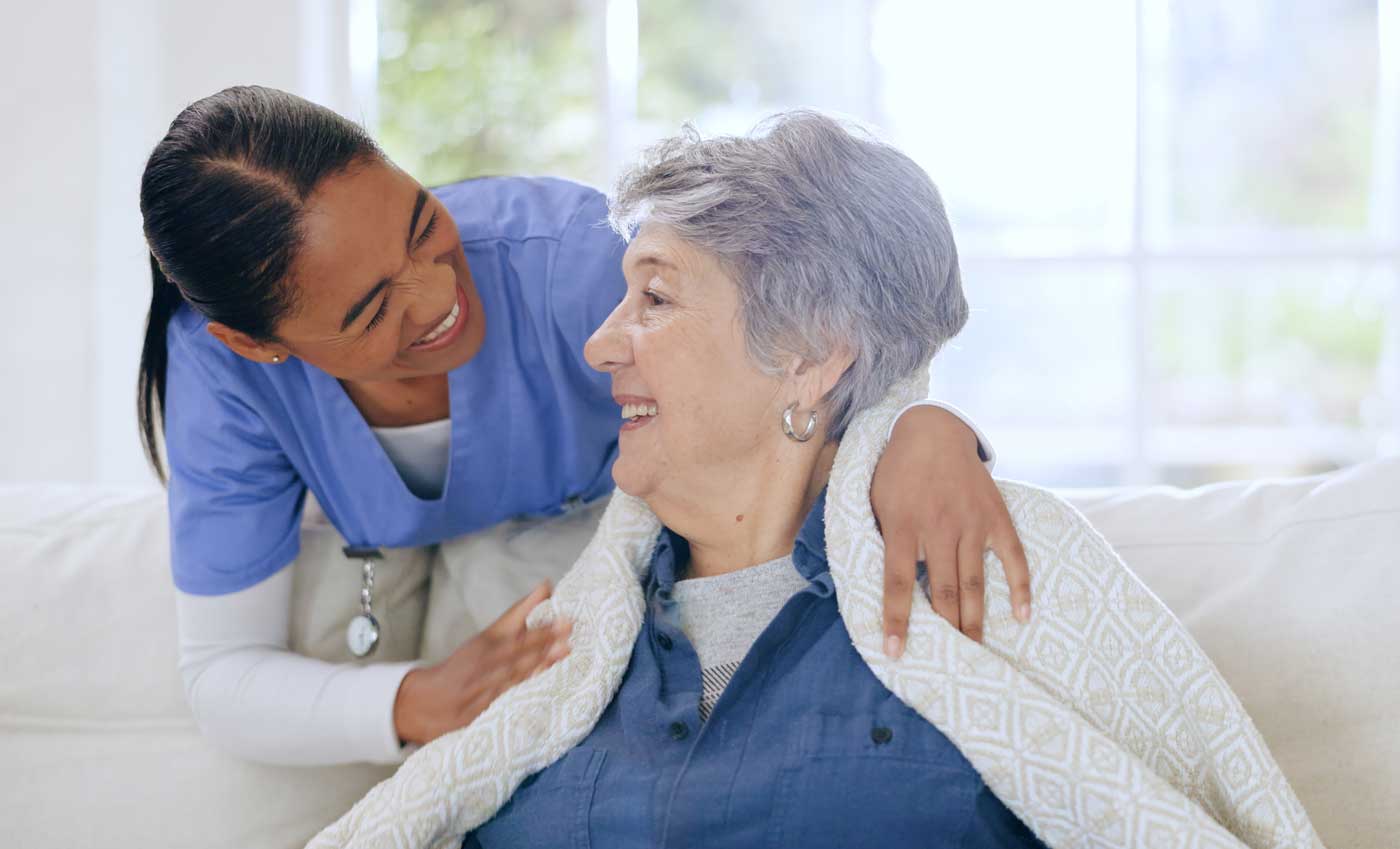
Here is a step-by-step guide to help you navigate the process of getting paid as a family caregiver in California.
Step 1: Check if the care recipient qualifies
If your loved one needs help with daily tasks and is eligible for Medi-Cal, contact your county IHSS office to start an assessment. Use resources such as PayingForSeniorCare’s guide.
Step 2: Choose your caregiver arrangement
Under IHSS: the care recipient elects a provider. That provider may be you (if you meet requirements) or another. Ensure the county allows your relationship to be a paid provider.
Step 3: Complete provider enrollment
Register as an IHSS provider: complete background check, orientation, enrollment forms. Get details about hours authorized for the recipient.
Step 4: Formalize the agreement
Once approved, the provider (you) will begin performing authorized tasks and documenting hours. The county will then issue payment/schedules based on hours.
Step 5: Track care and comply
Log all hours, tasks, and ensure you are providing the services approved. Submit timesheets or electronic logs as required by county.
Step 6: Explore supplemental options
If you are working and need to take leave to care for a family member, consider filing a PFL claim with the EDD. If the care recipient is a veteran, explore veteran-directed programs.
Step 7: Monitor changes & stay eligible
If the care recipient’s condition changes, you may need a new assessment for more hours. Ensure you keep provider status active and remain eligible.
How Much Can You Be Paid?
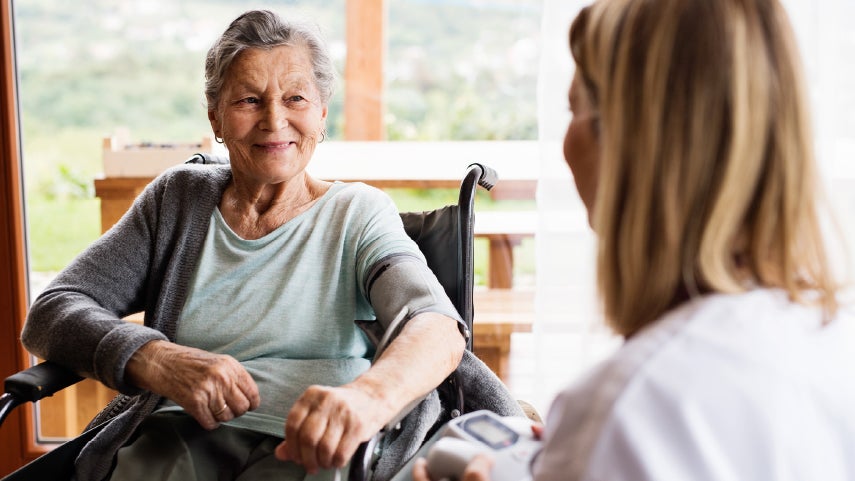
The compensation you receive depends on the number of hours authorized and the county’s rate for IHSS providers.
According to forums and caregiver experiences, some providers in counties like San Diego reported around $16 per hour (before taxes) for full eligibility.
Hourly rates vary widely based on county funding, task complexity, and authorized hours.
Under PFL, benefits replace a portion of your former wage (roughly 60-70% of wages earned) while you take leave to provide care.
Veteran programs may allow higher flexibility of compensation depending on budget and level of care.
Additional Resources & Support
California Department of Aging – Family Caregiver Services: Offers support, training, respite for caregivers. aging.ca.gov
California Employment Development Department (EDD) – Paid Family Leave (PFL): For wage replacement while caring for family. edd.ca.gov
California Caregiver Resource Centers: Statewide nonprofit network offering help for unpaid caregivers, training, legal/financial guidance. California Caregiver Resource Centers
County IHSS office: Reach out to your local county social services or human services department for IHSS program enrollment details.
Veterans Affairs / Veteran-Directed Care programs: If your care recipient is a veteran, explore these options.
FAQs
Can I get paid to take care of my mother in California?
Yes. California residents can receive financial assistance through state programs like In-Home Supportive Services (IHSS). After an in home assessment, a social worker will determine eligibility based on your care recipient’s needs, such as meal preparation, medication management, and personal care.
Can a family member get paid to be a caregiver in California?
Yes. Eligible caregivers, including family members, can earn an hourly wage based direct payment from government programs like IHSS. These support services help older adults remain at home instead of in a nursing home or institutional care.
Can you get paid for taking care of your parents in California?
Yes. Under IHSS and similar programs, you may provide financial support and receive financial assistance for household chores, medical tasks, and personal care. Contact your local county IHSS office for in home evaluation and to determine eligibility.
Can I be a caregiver for my autistic child in California?
Yes. Parents of minor children with disabilities can qualify for state programs that offer comprehensive assistance and temporary relief through respite care and training programs. Some require special medical training to meet the care recipient’s needs.
Can a spouse be a paid caregiver in California?
Yes, in certain cases. A registered domestic partner or spouse can qualify if the care recipient meets care providers’ criteria and financial requirements. Programs like Paid Family Leave under the California Family Rights Act allow up to eight weeks of paid time off for caregiving.
Conclusion
Becoming a paid family caregiver in California is achievable by following program rules, ensuring your loved one’s eligibility, and completing provider enrollment correctly.
Programs like IHSS offer direct wages, while PFL provides wage substitution. Veteran-based options are also available. To proceed, verify Medi-Cal/IHSS eligibility, understand county provider rules, enroll, and formalize the caregiving relationship.
Diligently track hours and prioritize your well-being. This professional approach enables compensation for the vital care you provide, keeping your loved one supported at home.