

Caring for a family member at home-because of aging, disability, chronic illness, or injury-is a meaningful yet demanding role.
In West Virginia, there are programs and pathways through which family members or trusted individuals can receive compensation for providing in-home care under certain conditions.
While not every caregiving situation will qualify for paid status, many families can access viable options to turn care into compensated service.
This article explains how you can become a paid family caregiver in West Virginia: the key programs to know, eligibility criteria, how to apply, essential steps, and important considerations to protect both your loved one’s interests and your own.
Why West Virginia Values Family Caregiving
West Virginia’s caregiver programs reflect the state’s belief that family members provide some of the best and most compassionate care possible.
Through initiatives like the Aged & Disabled Waiver, Personal Care Services, and the Lighthouse Program, the state prioritizes keeping residents in their homes instead of institutions.
These programs recognize the financial burden caregiving can place on families and aim to ease it through structured compensation. By allowing family caregivers to receive payment, West Virginia supports both independence for loved ones and economic stability for those who care for them daily.
Major Programs That Enable Paid Family Caregiving in West Virginia
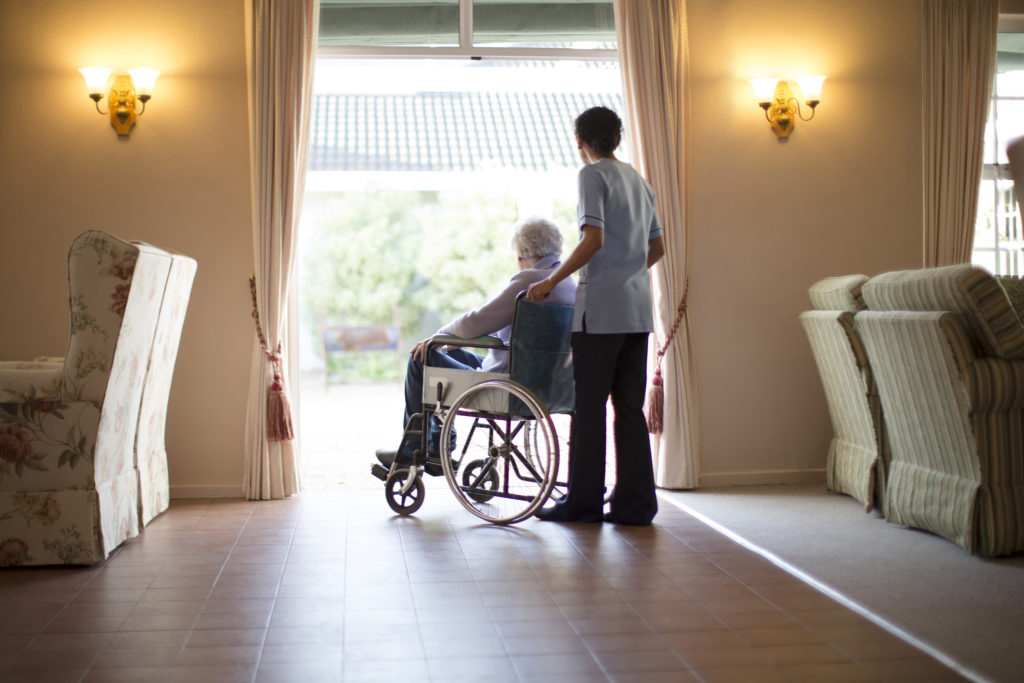
Here are three programs that enable compensation of family members for caregiving services in West Virginia:
1. Aged & Disabled Waiver (ADW) - Consumer-Directed "Personal Options"
The ADW is West Virginia’s major Medicaid waiver for long-term supports and services for older adults and adults with disabilities.
Key details:
-
The care recipient must be medically eligible (nearly nursing facility‐level care) and financially eligible for Medicaid.
-
ADW includes a “Personal Options” participant-directed model that allows the participant to employ their own caregivers (within program rules) rather than only agency-provided care.
-
Under Personal Options, the participant selects a caregiver; the caregiver may be a family member (except spouse/legal guardian) if they meet provider criteria.
-
A financial/employer management service handles payroll, taxes, compliance for caregivers under this model.
-
Important: ADW is a waiver program, which means it may have enrollment slots and waiting lists.
2. Personal Care Services Program (PC Services)
West Virginia’s state-plan Medicaid program offering in-home personal care services (ADLs/IADLs) for individuals who need help but may not meet full nursing facility level of care.
Key features:
-
Available to West Virginia residents of any age who require assistance with daily living tasks at home.
-
The program is an entitlement meaning meeting eligibility guarantees access; there is no waiting list.
-
According to some sources, while the program typically uses licensed personal care agencies, it is possible for a friend or family member (other than spouse/legal guardian) to be employed by the agency as caregiver.
-
Note: Because this is not always consumer‐directed, the family-caregiver route may have more restrictions than the waiver model.
3. Lighthouse Program
A state-funded program (not strictly Medicaid) for age 60+ older adults who need assistance with personal care, mobility, nutrition, and homemaker services. Key details:
-
The program provides up to ~60 hours per month of assistance in personal care, mobility, meal prep/nutrition, and homemaker services.
-
Many counties allow certain family members (adult children, siblings) to be paid as caregivers under this program (excluding spouses in many cases).
-
Billed monthly on sliding scale based on income; pay rates and eligibility vary by county.
How to Maintain Steady Caregiver Payments

Once approved, consistent documentation is crucial to keeping payments flowing. Record hours daily, submit timesheets on time, and follow the care plan exactly as authorized.
Notify your case manager right away if your loved one’s condition or living situation changes-failure to do so may lead to paused or denied payments. Keep training certificates and payroll information up to date to avoid compliance issues.
Treat your caregiving like professional employment; reliability and accuracy will help maintain steady income while ensuring your loved one’s continued eligibility for services.
Eligibility & Requirements
To receive payment for caregiving in West Virginia, both the care recipient and the caregiver must meet eligibility criteria and follow provider/enrollment requirements.
Care Recipient Eligibility
-
Must be a resident of West Virginia.
-
For ADW: Must meet medical eligibility indicating need equivalent to nursing facility level of care, and financially eligible for Medicaid.
-
For PC Services: Must need medical assistance with at least three ADLs per functional assessment (e.g., bathing, dressing, transferring) or meet other medical criteria.
-
For Lighthouse Program: Age 60+, require assistance with at least two ADLs, and live in the community (not institutional setting) in many counties.
Caregiver/Provider Eligibility
-
The caregiver must meet provider criteria of the program: training/orientation, background checks, documentation of services as required by the enrollment. For example, under the ADW “Personal Options” model: caregivers must complete training and meet the employer’s requirements.
-
Relationship restrictions: Under West Virginia’s ADW(Personal Options) and state guides, a spouse or legal guardian of the participant generally cannot be paid as the caregiver.
-
For Lighthouse or PC Services: Family members other than spouses may be eligible to be paid caregivers, depending on county policy.
-
The caregiver must perform the tasks authorized in the service/care plan: personal care, homemaker, mobility support, supervision, ADLs/IADLs.
Program Rules & Considerations
-
Payment is tied to authorized hours and specific tasks in a service plan or waiver plan. If the recipient’s condition changes (improves or moves to facility), authorized hours may decline and so will payment.
-
Informal arrangements (paying family outside of a recognized program) may jeopardize the care recipient’s Medicaid eligibility or the caregiver’s legitimate provider status.
-
Being a paid caregiver means formal provider/employer obligations: you may have to file timesheets, be part of payroll, and follow provider compliance rules.
-
Waiver programs (like ADW) may have waiting lists-meaning you might have to wait for a slot before compensation begins.
Step-by-Step Guide: How to Become a Paid Family Caregiver in West Virginia

Ready to take the first step toward getting paid for your caregiving? Here’s your roadmap:
Step 1: Check if Your Loved One Qualifies
First things first, confirm if your loved one is eligible for West Virginia Medicaid or a related program like the Aged and Disabled Waiver (ADW) or Personal Care (PC) Services. These programs are designed for people who need a hand with daily activities such as bathing, dressing, or getting around.
It’s also important that your loved one wants to stay at home rather than move into a facility. As a caregiver, you’ll need to meet certain requirements too, like being of legal working age, passing a background check, and being an eligible family member (not a spouse or legal guardian).
Step 2: Choose the Right Program for You
If your loved one needs nursing-facility level of care and has Medicaid, the ADW Personal Options model is a great choice that may allow you to become their paid caregiver.
If their needs are a bit less intensive, the Personal Care (PC) Services program offers in-home help with daily tasks. For older adults (60+) who aren’t eligible for Medicaid, the Lighthouse Program provides a limited number of paid caregiving hours through state funding.
Remember to always double-check that your local program allows family members to be paid.
Step 3: Apply for the Program
To apply for the ADW program, you’ll submit an application through the West Virginia Department of Health & Human Resources (DHHR), Bureau for Medical Services (BMS). This usually involves a Medical Necessity Evaluation Request (MNER).
For Personal Care Services, you can apply at your local DHHR office under the Medicaid PC program. If the Lighthouse Program seems like the best fit, apply through your county’s Senior Services office. Each application will involve assessments to determine your loved one’s financial and care needs.
Step 4: Get Enrolled as a Caregiver
Once your loved one is approved, they (or their representative) can officially choose you as their caregiver, as long as the program guidelines allow it. From there, you’ll complete your provider enrollment, which includes a background check, any required training, and signing an agreement.
With the ADW Personal Options model, your loved one acts as your employer-they’ll set your tasks and schedule. A Fiscal/Management Service (FMS) will handle the payroll and logistics to make sure you’re paid correctly.
Step 5: Provide Care, Track Your Hours, and Get Paid!
Once you’re all set up, you can start providing the approved services outlined in the care plan, like personal care, light housekeeping, meal prep, and running errands.
Make sure to keep accurate records of your hours and tasks, and submit your timesheets through the designated system.
Payments are handled by the program’s fiscal service. On average, caregivers in West Virginia earn around $13.33 per hour, but this can vary depending on your region and the program.
Step 6: Stay Compliant and Keep in Touch
Keep in close contact with the case manager to report any changes in your loved one’s health or living situation, as this could affect their service hours or your payments.
You’ll need to maintain your provider status by keeping your documents up to date and completing any required refresher training.
Don’t forget to track your income for tax purposes and take advantage of the support services available for caregivers in West Virginia. Taking care of yourself is just as important as taking care of your loved one
How Much Can You Get Paid?
Caregiver compensation in West Virginia varies based on the program, authorized hours, required tasks, and your location. For example, some West Virginia programs report an average pay of $13.33 per hour.
Here’s how different programs work:
-
ADW Personal Options: Participants set the pay rate, which must meet minimum wage and Medicaid rules.
-
Lighthouse Program: Hourly rates can range from roughly $1.50 to $16, depending on the recipient’s income and county.
Because of these variables, it’s best to contact your local program office to ask about specific hourly rates for ADW, PC Services, or Lighthouse in your county. While the compensation may not match a full-time salary, it’s a significant improvement over being an unpaid caregiver.
Important Considerations & Pitfalls to Avoid

While paid family caregiving in West Virginia is possible, there are important caveats to keep in mind:
1. Avoid informal payment arrangements
Paying yourself outside an approved Medicaid/waiver program (e.g., simply receiving cash from your relative) may jeopardize the care recipient’s eligibility and you may not have legal protection as a provider. It’s safer to follow the formal program route.
2. Confirm caregiver-eligibility and relationship rules
Some programs explicitly exclude spouses or legal guardians from being paid caregivers (for example ADW Personal Options excludes spouses/legal guardians).
If you are the spouse or legal guardian of the care recipient, you may not be eligible under some models.
3. Understand your role as a paid provider
Once you are a paid caregiver under Medicaid or waiver, you become part of a formal provider/employer structure: you’ll need to document hours, meet provider rules, be subject to payroll, training, etc. It’s more than just “helping.”
4. Maintain documentation and service-plan compliance
Without proper documentation (hours, tasks, timesheets) and compliance with the service plan, payment may be delayed or denied.
5. Monitor changes in eligibility or service hours
If the care recipient’s condition improves, they move to an assisted living or nursing facility, or their eligibility changes, authorized hours of care may be reduced or terminated-and so will payment.
6. Be aware of tax and employment implications
Being paid means you may have income to report, possible employment status through a provider or fiscal agent, and other tax/regulatory issues. Consult a tax professional.
7. Evaluate whether the compensation matches the workload
Even when paid, caregiving remains physically and emotionally demanding. The number of hours authorized and the pay rate may or may not align with what you need. Ensure the arrangement meets your expectations and capacity.
Turning Caregiving Experience into a Career Path
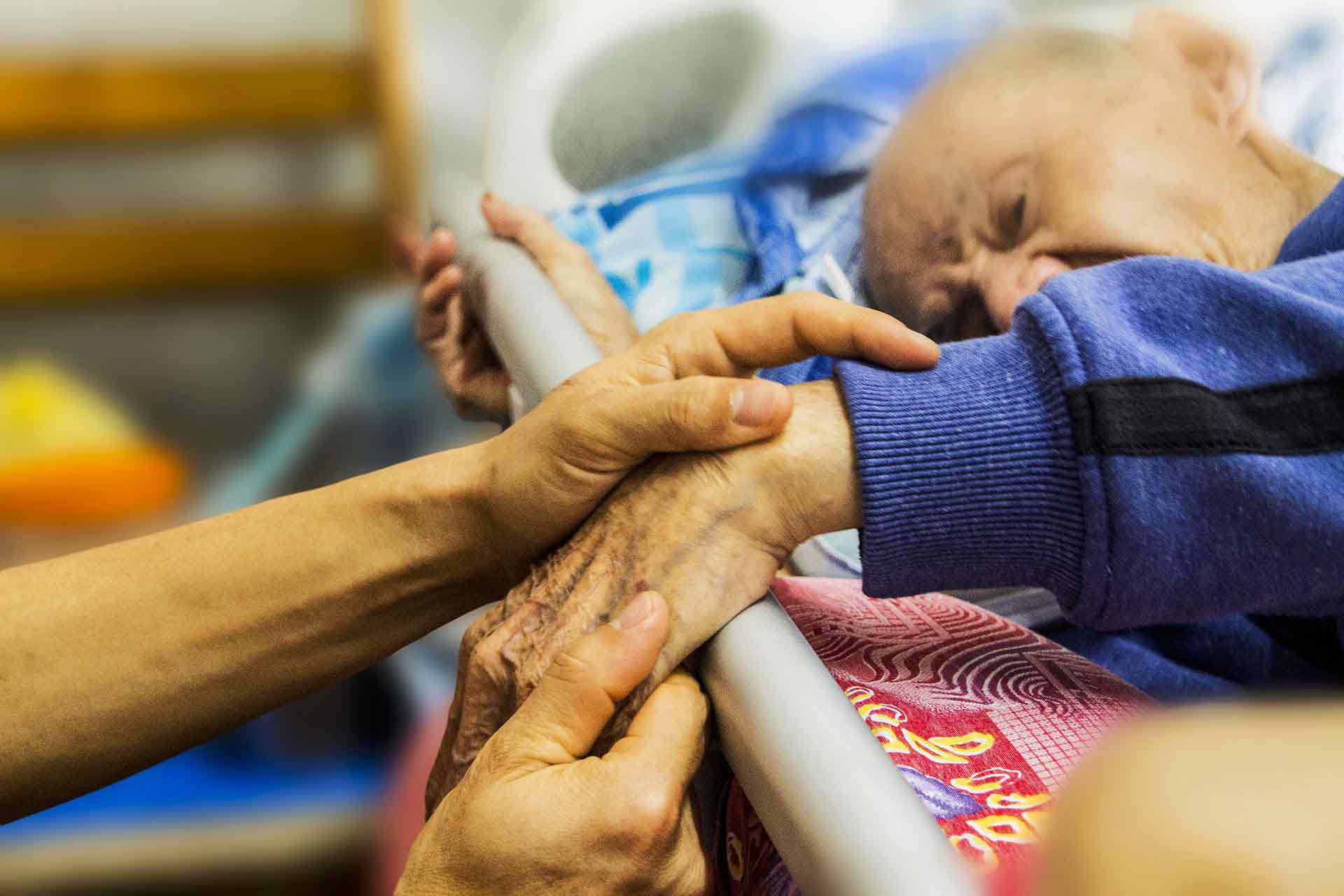
For many West Virginians, paid caregiving can be the start of a fulfilling healthcare career. The experience you gain-handling daily living tasks, coordinating with caseworkers, and understanding Medicaid systems-can lead to roles such as home health aide, CNA, or care coordinator.
With additional training or certification, you can transition into long-term care professions that offer growth and stability. West Virginia’s growing demand for home-based care means your skills will remain valuable. What starts as caring for a loved one can evolve into a respected and sustainable career.
Resources to Get Started
Aged and Disabled Waiver (ADW) – West Virginia Department of Health and Human Resources (DHHR): This Medicaid waiver allows eligible seniors and adults with disabilities to stay at home instead of entering a nursing facility and permits participants in the “Personal Options” self-directed model to hire family members (excluding spouses/guardians) as paid caregivers. Medicaid Planning Assistance
Personal Care Services Program – West Virginia Medicaid State Plan: Provides in-home assistance with daily living activities for eligible individuals. While care is usually provided through agencies, in some cases a friend or family member (who qualifies) may be hired through the agency. Medicaid Planning Assistance
Lighthouse Program – West Virginia Bureau of Senior Services: A non-Medicaid, state-funded program for older adults (60+) who need help with tasks such as bathing, meal preparation, light housekeeping. In many counties, the program permits certain family members (other than spouses) to be paid caregivers. Paying for Senior Care
Legal/Medicaid Planning Specialist or Elder-Law Attorney: Essential to navigate eligibility criteria, asset and income rules, caregiver hiring contracts, tax‐implications and which family members may legally be paid as caregivers under each program.
Veterans & Caregiver Supports – U.S. Department of Veterans Affairs (VA) Programs: If your family member is a veteran, additional caregiver stipend programs and benefits may apply that can either supplement or work alongside other state long-term care options. CareOasis
FAQs
Can I get paid to take care of my mother in West Virginia?
Yes. Government programs like the Medicaid Personal Care Program and Structured Family Caregiving Program offer financial assistance for in home services, personal care assistance, and nutrition services. Local area agencies and Human Services also help with caregiver training and transportation services.
Can a family member get paid to be a caregiver in West Virginia?
Yes. Family Caregiver Support Program and West Virginia’s Lighthouse Program allow program participants or service providers to receive financial assistance. These community based services support personal care assistant roles and self directed services.
Can you get paid for taking care of your parents in West Virginia?
Yes. Disabled Medicaid Waiver and Disabled Waiver Program under Human Services fund care programs for medical care, physical disabilities, and grocery shopping needs. Provider agency and private agencies also offer additional services and companion services.
Can I be a caregiver for my autistic child in West Virginia?
Yes. Parents may qualify for Self Directed Services or Family Caregiver Support Program through the Disability Resource Center. These government programs include caregiver training, adult day services, and support groups for families managing medical expenses.
Can a spouse be a paid caregiver in West Virginia?
Sometimes. Veterans benefits, Paid Family Leave, and community based services allow spouses to receive financial assistance or companion services. In home services and Skilled Nursing programs also cover services provided for Alzheimer’s disease or similar conditions.
Conclusion
Good news! If you’re a family caregiver in West Virginia, you can get paid for the amazing work you do. Programs like the Aged & Disabled Waiver, Personal Care Services, and the Lighthouse Program make it possible.
But, you’ll need to follow some rules. Make sure you meet all the eligibility criteria, keep good records, and play by the book for each program. A big first step is confirming that the person you’re caring for qualifies for Medicaid/waiver services and truly needs daily help.
Filling out the right forms, getting a care plan in place, and keeping meticulous records are super important. Do this, and you’ll not only secure fair pay for your vital care but also help your loved ones stay safe and comfortable right at home.