
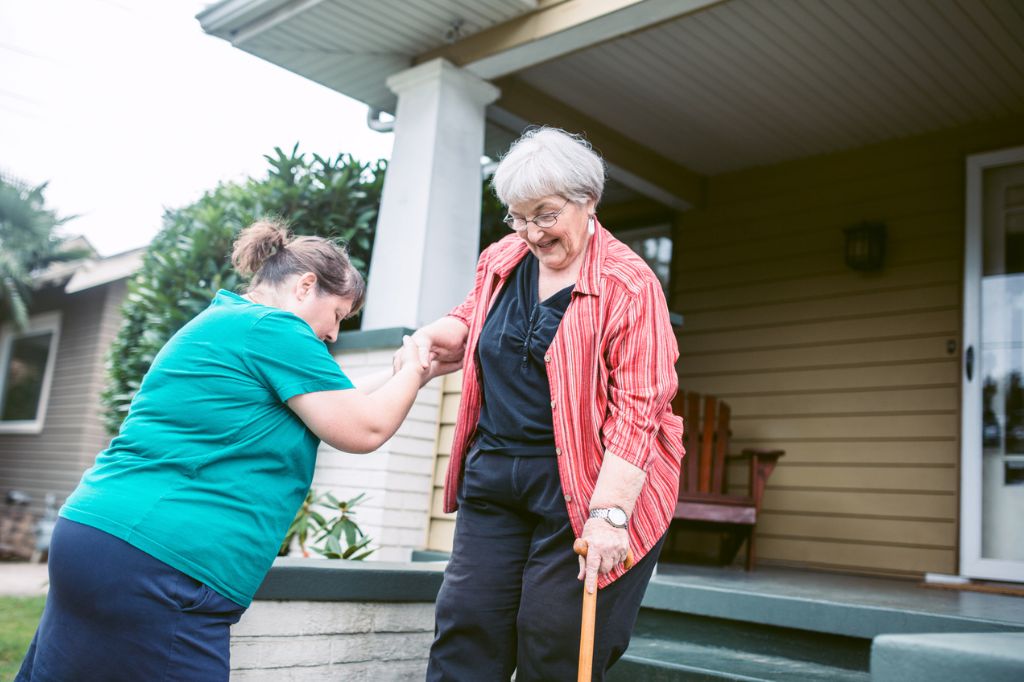
Caring for a loved one is one of the most meaningful acts of compassion, but it can also create financial strain for families. In South Carolina, several programs recognize the essential role family caregivers play in supporting seniors, people with disabilities, and veterans who wish to remain at home.
Through Medicaid waivers, Community Long-Term Care (CLTC) services, and Veterans Directed Care, eligible family members can receive pay for providing daily assistance, personal care, and companionship. These programs, overseen by the South Carolina Department of Health and Human Services (SCDHHS), offer a path to balance caregiving responsibilities with financial stability.
This guide explains how to get paid to take care of a family member in South Carolina-covering programs, eligibility, and application steps.
What Is a Paid Family Caregiver?
A paid family caregiver is someone who provides daily assistance to a loved one-such as an aging parent, disabled child, or ill relative-and receives financial compensation for their work through a recognized state or federal program. Unlike traditional home health aides, family caregivers are usually relatives who already provide unpaid care.
Under South Carolina programs such as Community Long-Term Care (CLTC) or Veterans Directed Care, eligible caregivers can be paid for tasks like bathing, meal preparation, medication reminders, and mobility support. The goal is to help care recipients stay safely and comfortably in their own homes while recognizing and supporting the caregiver’s time, dedication, and essential role in maintaining their loved one’s independence and well-being.
The Landscape of Family Caregiving in South Carolina

Family caregiving plays a vital role in South Carolina’s healthcare and social support systems. Thousands of residents provide unpaid care to aging parents, disabled relatives, or veterans who prefer to remain at home rather than enter long-term care facilities.
The state recognizes this growing need and offers several programs through the South Carolina Department of Health and Human Services (SCDHHS) and Community Long-Term Care (CLTC) that help compensate family caregivers. These initiatives, supported by Medicaid waivers and veterans’ programs, promote home-based, person-centered care while reducing institutional costs.
With an aging population and increasing demand for home support, South Carolina continues to expand opportunities that reward families for their dedication and ensure their loved ones receive compassionate, consistent care.
When Should You Apply for Paid Family Caregiver Programs in South Carolina?
Knowing when to apply is key to getting approved quickly and starting payment as a caregiver. You should apply when:
-
Your loved one begins to need daily assistance – such as help with bathing, dressing, eating, or medication.
-
A medical condition becomes long-term or progressive, and in-home support is safer than institutional care.
-
You are providing regular unpaid care that affects your income or employment stability.
-
Your loved one qualifies for Medicaid or may soon need financial help covering long-term care.
-
A healthcare provider recommends in-home support or the family prefers home care over nursing facilities.
-
The person is a veteran who qualifies for the Veterans Directed Care (VDC) program.
Early application through SCDHHS or Community Long-Term Care (CLTC) ensures faster approval, continued care, and financial stability for both the caregiver and recipient.
Key Programs That Pay Family Caregivers in South Carolina
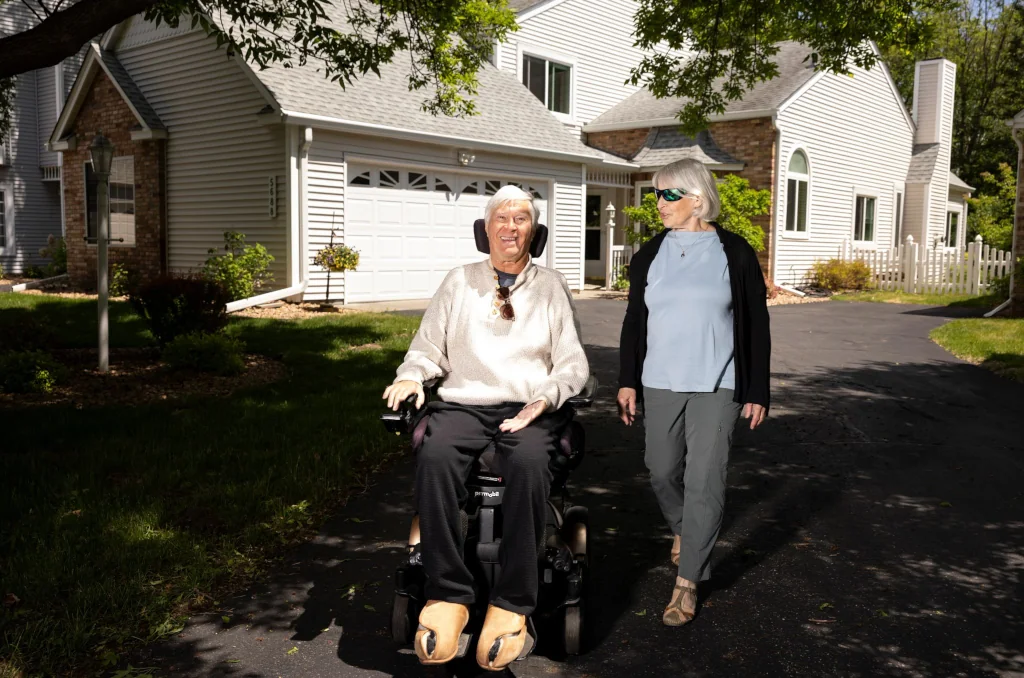
South Carolina offers several programs that allow eligible family members to receive payment for providing in-home care to loved ones who are elderly, disabled, or managing chronic health conditions.
These initiatives-administered primarily by the South Carolina Department of Health and Human Services (SCDHHS) and the Department on Aging (SCDOA)-help families keep their loved ones safe, independent, and comfortable at home while offering much-needed financial support to caregivers.
1. Community Choices Waiver (CCW)
The Community Choices Waiver is South Carolina’s main Medicaid program for adults who require a nursing-home level of care but prefer to stay at home. Administered by SCDHHS, this waiver allows eligible participants to hire and pay certain family members or friends to provide personal care services such as bathing, dressing, and meal preparation.
To qualify, the care recipient must be 65 or older, or disabled, meet Medicaid income requirements, and require ongoing daily assistance. A case manager works with the family to create a personalized care plan and approve the caregiver for payment.
2. Community Long-Term Care (CLTC) Program
The Community Long-Term Care (CLTC) program provides services that help seniors and adults with disabilities live independently. Through this program, Medicaid recipients can receive in-home assistance, respite care, and case management.
In certain cases, family members (excluding spouses and legal guardians) can be hired as paid caregivers. CLTC staff evaluate the care recipient’s needs and help match them with appropriate services, including family caregiving options when eligible.
3. Healthy Connections Medicaid Personal Care Services
Under the Healthy Connections Medicaid plan, individuals who qualify for in-home support may receive Personal Care Services (PCS). These services cover help with daily activities such as grooming, eating, and mobility. Family members can sometimes be approved to deliver these services through an agency, depending on the recipient’s medical needs and the agency’s policies.
4. Veterans Directed Care (VDC) Program
The Veterans Directed Care Program, run through the U.S. Department of Veterans Affairs, allows eligible veterans in South Carolina to hire and pay family members to provide home-based care. Veterans manage their own care budget, selecting caregivers who understand their personal needs. Pay typically ranges from $1,500 to $3,000 per month, depending on the level of care required.
5. Family Caregiver Support Program (FCSP)
Administered by local Area Agencies on Aging (AAA), this program doesn’t offer direct wages but provides financial stipends, training, respite care, and resources to family caregivers of adults over 60 or individuals with dementia.
Together, these programs empower South Carolina families to deliver compassionate, consistent care at home while receiving financial and emotional support for their essential caregiving role.
Eligibility Requirements for the Care Recipient in South Carolina
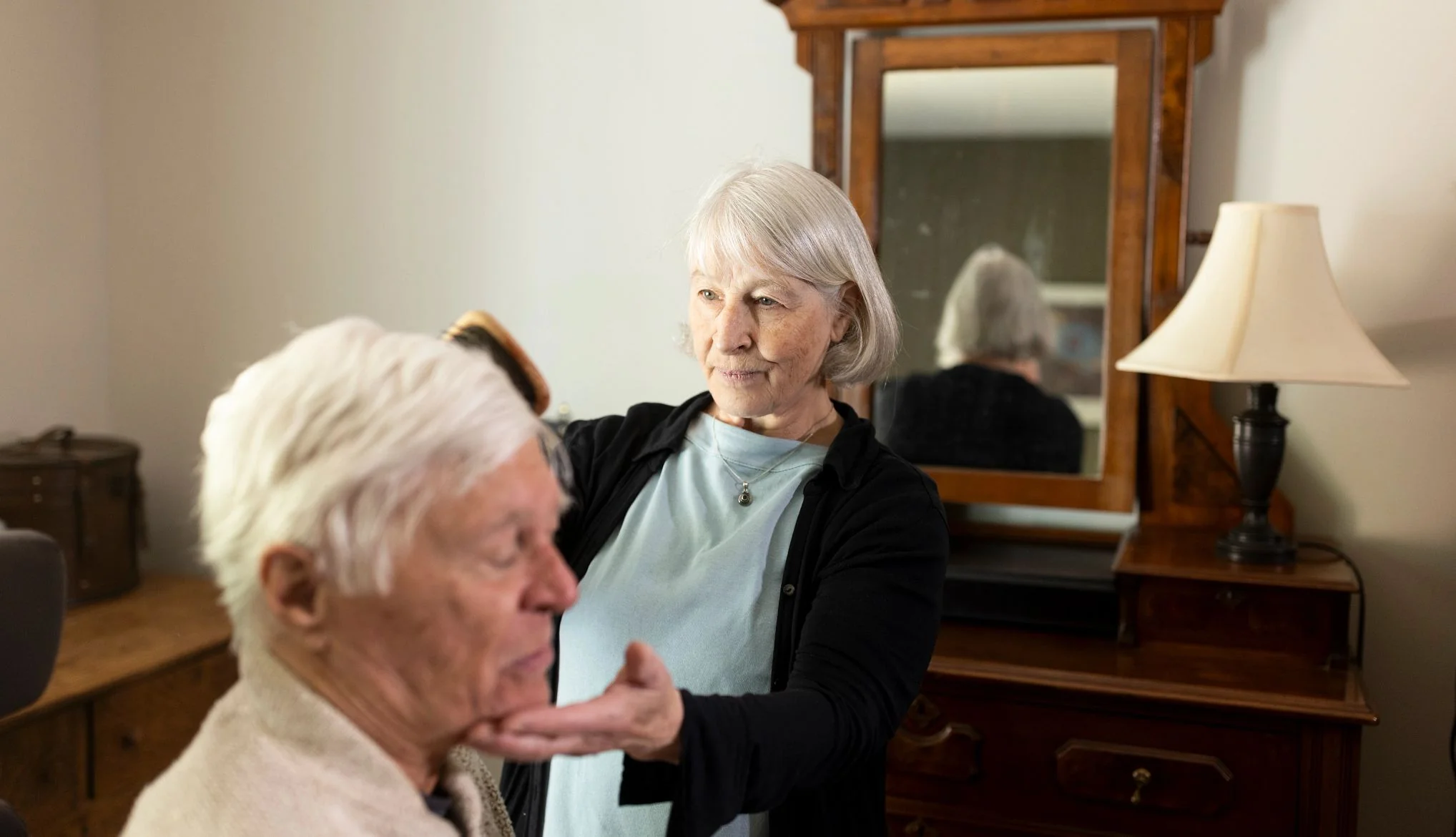
To qualify for paid family caregiving programs in South Carolina, the care recipient must meet specific medical, functional, and financial requirements. These criteria ensure that only individuals who truly need long-term care assistance are approved under Medicaid or related programs.
Residency and Citizenship: The care recipient must be a resident of South Carolina and a U.S. citizen or legal permanent resident. Proof of residency and identity (such as a state ID or Social Security number) is required.
Medical and Functional Need: The individual must demonstrate a medical necessity for daily assistance. A state nurse or case manager conducts a functional assessment to determine whether the person needs a nursing-home level of care-including help with bathing, dressing, eating, toileting, or mobility.
Age or Disability Criteria
Community Choices Waiver: Adults aged 65 and older or disabled individuals.
CLTC Program: Adults or seniors who require long-term care due to physical or cognitive limitations.
Veterans Directed Care: Must be an eligible veteran enrolled in VA healthcare.
Financial Eligibility: Income and asset limits must meet Medicaid requirements. As of 2025, individuals typically must earn less than $2,829 per month and have limited assets (excluding a home and vehicle).
Meeting all these requirements ensures the recipient qualifies for home-based care and allows family members to receive payment under state-approved programs.
Who Can Be Paid as a Caregiver in South Carolina
In South Carolina, family caregivers can indeed receive payment for their services, but this is contingent upon meeting specific qualifications and participating in approved Medicaid and veteran programs. Generally, eligible caregivers include adult children, various relatives, or even close friends who are dedicated to providing care. These individuals can serve as paid caregivers under vital programs such as the Community Choices Waiver (CCW) or the Community Long-Term Care (CLTC) program, both designed to support individuals who require in-home care.
It is important to note, however, that there are specific exclusions regarding who can be compensated. Spouses and legal guardians, for instance, are typically not eligible to receive payment under Medicaid-funded programs. This policy is primarily in place to avoid potential conflicts of interest and to ensure the integrity of the care provision system, focusing on care relationships that are not already bound by legal or marital dependency.
Step-by-Step: How to Get Paid as a Family Caregiver in South Carolina
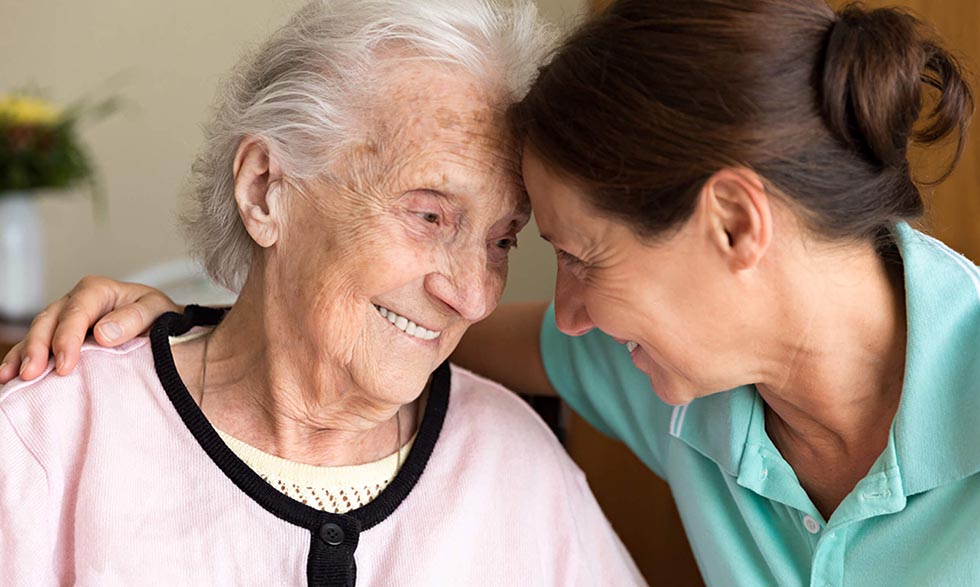
Caring for a family member is one of the most meaningful things you can do-but it can also come with financial challenges. South Carolina recognizes the importance of keeping loved ones in their homes and offers several programs that allow family caregivers to receive payment for providing in-home care.
These programs are managed primarily through the South Carolina Department of Health and Human Services (SCDHHS) under Medicaid and the Community Long-Term Care (CLTC) system.
Below is a detailed guide on how to become a paid caregiver for a loved one in South Carolina.
Step 1: Assess Your Loved One's Care Needs
The first step is to evaluate the care needs of your family member. Determine whether they require help with activities of daily living (ADLs) such as bathing, dressing, mobility, toileting, meal preparation, and medication reminders. This will help identify the appropriate level of care and whether your loved one qualifies for in-home support under Medicaid or related programs.
If your loved one needs frequent or ongoing help and wants to avoid placement in a nursing facility, home-based care under Medicaid waiver programs like Community Choices (CCW) or CLTC may be the best option.
Step 2: Verify Medicaid Eligibility
Most programs that pay family caregivers in South Carolina are funded through Medicaid. Therefore, your loved one must either be eligible for Medicaid or able to apply for it.
To qualify for Medicaid’s long-term care services, your loved one must:
-
Be a resident of South Carolina.
-
Meet specific income and asset limits (as of 2025, typically less than $2,829 per month for individuals).
-
Require a nursing home level of care, as determined by a medical and functional assessment.
Applications for Medicaid can be completed:
-
Online: https://apply.scdhhs.gov/
-
By phone: 1-888-549-0820
-
In person: At your county Department of Health and Human Services office.
Once approved, Medicaid coverage opens the door to home and community-based services (HCBS) that can include paid caregiving.
Step 3: Choose the Appropriate Program
South Carolina offers multiple caregiving programs depending on your loved one’s age, medical condition, and eligibility:
-
Community Choices Waiver (CCW): For adults aged 65+ or people with disabilities needing a nursing home level of care but wishing to remain at home.
-
Community Long-Term Care (CLTC): Provides in-home assistance, respite care, and case management through SCDHHS. Some family members can be hired and paid under this program.
-
Healthy Connections Medicaid Personal Care Services: For individuals eligible for standard Medicaid who require ongoing personal assistance.
-
Veterans Directed Care (VDC): For eligible veterans through the U.S. Department of Veterans Affairs, allowing veterans to hire and pay family caregivers directly.
-
Family Caregiver Support Program (FCSP): Offers respite care and small stipends for unpaid caregivers of seniors or individuals with Alzheimer’s disease.
If you’re unsure which program fits your situation, contact SCDHHS or your local Area Agency on Aging (AAA) to discuss available options.
Step 4: Schedule a Needs Assessment
Once your loved one’s Medicaid eligibility is confirmed, SCDHHS or CLTC will arrange a functional assessment. A registered nurse or social worker will visit the home to evaluate the individual’s daily living needs, medical conditions, and home environment.
During the assessment, it’s important to:
-
Be honest about the level of care your loved one requires.
-
Document all daily assistance tasks you already provide.
-
Highlight safety concerns and limitations (mobility issues, cognitive decline, etc.).
This assessment determines whether the person qualifies for a nursing-home level of care and the number of care hours that can be approved each week.
Step 5: Develop a Care Plan
After the assessment, a case manager will work with you to create a personalized care plan. This plan outlines:
-
The services your loved one needs (personal care, meal assistance, transportation, etc.).
-
The number of approved caregiver hours per week.
-
The name of the caregiver (you) providing the care.
If your family member chooses a self-directed care option, they can designate you as their paid caregiver. In this arrangement, your loved one (or their representative) takes part in managing the care budget and selecting caregivers.
Step 6: Enroll as a Paid Caregiver
Once the care plan is finalized, you must complete the process of becoming an official paid caregiver. This typically includes:
-
Filling out an employment application through the fiscal intermediary or CLTC.
-
Providing proof of identity and authorization to work in the U.S.
-
Completing background checks and health screenings (to ensure safe care delivery).
-
Attending an orientation or training session if required by the program.
After approval, you will be officially registered as a caregiver and eligible to begin providing paid services to your loved one.
Step 7: Begin Providing Care and Document Hours
You can now start providing care according to the approved plan. This may include assistance with personal hygiene, household chores, medication management, and companionship. It’s critical to document all caregiving activities and the hours worked.
Most programs require you to:
-
Submit timesheets or use an electronic visit verification (EVV) system to record hours.
-
Follow the care plan guidelines strictly.
-
Maintain regular communication with your case manager for updates or changes in care needs.
Payments are processed biweekly or monthly through the fiscal intermediary or Medicaid payment system.
Step 8: Stay Compliant with Program Rules
To maintain your paid caregiver status, it’s important to follow all program rules and reporting requirements. This includes:
-
Participating in annual reassessments to verify ongoing eligibility.
-
Reporting any changes in the care recipient’s condition, income, or living situation.
-
Keeping up with any required training or documentation updates.
Failure to stay compliant may lead to delayed payments or suspension from the program.
Step 9: Utilize Support and Respite Services
Caring for a loved one can be physically and emotionally demanding. South Carolina’s Family Caregiver Support Program (FCSP) and local Area Agencies on Aging (AAA) offer respite care, training, and support groups to help caregivers manage stress and prevent burnout. These services are designed to protect your health and maintain the quality of care your loved one receives.
You can find your nearest AAA office here: https://aging.sc.gov/area-agencies-aging
Step 10: Reassess and Adjust as Needed
Over time, your loved one’s condition may change, requiring adjustments to the care plan. CLTC or SCDHHS will conduct annual reassessments, but you can request one sooner if your loved one’s needs increase. Updating the care plan ensures continued financial support and appropriate service levels.
Becoming a paid family caregiver in South Carolina allows you to turn a meaningful responsibility into a sustainable role. Through programs such as Community Choices Waiver, CLTC, and Veterans Directed Care, you can receive fair compensation for providing the daily care your loved one needs-while ensuring they remain safely and comfortably at home. By following each step carefully, maintaining records, and using available caregiver resources, you can build a rewarding caregiving experience that benefits both you and your family member.
What Is the Timeline for Application in South Carolina?
The timeline to become a paid family caregiver in South Carolina can vary depending on the program and how quickly required steps are completed. Generally, the process takes four to eight weeks from initial application to payment approval.
-
Step 1-2 weeks: Submitting the Medicaid or program application through SCDHHS or CLTC.
-
Step 3-4 weeks: Functional and financial assessments by a nurse or case manager.
-
Step 5-6 weeks: Approval of Medicaid eligibility and creation of a personalized care plan.
-
Step 6-8 weeks: Caregiver enrollment, background checks, and training (if required).
Once approved, caregivers can begin providing services immediately, and payments are usually issued within the first two pay cycles after documentation and timesheets are submitted.
Managing Your Role as a Paid Caregiver in South Carolina
Successfully managing your role as a paid caregiver requires balancing compassion with professionalism. Start by following your loved one’s care plan closely-providing only approved services and accurately recording your hours. Maintain clear communication with your case manager and promptly report any changes in your loved one’s condition or living situation. Staying organized with schedules, medication logs, and daily care notes ensures accountability and timely payment.
Equally important is caring for yourself. Use respite care services available through programs like the Family Caregiver Support Program (FCSP) to prevent burnout. Attend training sessions or workshops offered by SCDHHS or your local Area Agency on Aging to improve skills. By staying informed, professional, and emotionally balanced, you can deliver consistent, high-quality care while protecting your own well-being.
How Much Do Family Caregivers Get Paid in South Carolina?

In South Carolina, the hourly pay for family caregivers varies by program and region. On average, caregivers earn around US $12.78 per hour, with typical ranges from approximately US $12.07 (25th percentile) to US $15.38 (75th percentile).
Some specialized programs offer higher pay rates. For example, self-directed services for children’s attendant care under certain Medicaid waivers pay about US $16.20 per hour.
It’s important to note:
-
Wages are influenced by the level of care needed, location (cost of living), and the specific Medicaid or veteran-care program.
-
For caregiving through veteran-support programs or complex medical conditions, pay might be higher-though direct family-caregiver wage data is less consistent.
If you’re exploring becoming a paid family caregiver in South Carolina, check the local agency’s actual approved rates for your county and the specific care program.
Benefits and Limitations of Paid Family Caregiving in South Carolina
Becoming a paid family caregiver in South Carolina provides many advantages, but it also comes with some limitations.
Benefits:
Financial relief: Caregivers receive compensation for the time and effort spent caring for loved ones, reducing financial stress.
Home-based comfort: Loved ones can remain in familiar surroundings, improving emotional well-being and independence.
Flexible scheduling: Families can coordinate care hours that fit their routines.
Access to support: Programs often include respite services, training, and case management assistance through SCDHHS or Area Agencies on Aging.
Limitations:
Eligibility restrictions: Spouses and legal guardians are often ineligible for payment under Medicaid waivers.
Paperwork and compliance: Frequent documentation, assessments, and timesheet submissions are required.
Limited paid hours: Payment is based on approved care plans, not full-time availability. Despite these challenges, paid caregiving provides stability and recognition for families offering essential care.
Training and Certification Requirements in South Carolina
Training and certification requirements for paid family caregivers in South Carolina vary by program. Under the Community Choices Waiver (CCW) and Community Long-Term Care (CLTC) programs, caregivers are generally not required to hold professional licenses, but they must complete orientation, background checks, and any state-mandated health screenings. Some programs, such as Personal Care Services (PCS), may require caregivers to learn proper hygiene practices, medication assistance, and emergency procedures.
For programs under the Department of Disabilities and Special Needs (DDSN) or Veterans Directed Care (VDC), caregivers might need additional training specific to the individual’s needs, such as behavioral support or mobility assistance. Optional certifications in CPR, First Aid, or home health aide training can enhance safety and may improve pay or future career opportunities in professional caregiving.
Tips for Successful Caregiving in South Carolina

-
Follow the care plan: Stick to the approved tasks and hours outlined by your case manager.
-
Keep accurate records: Log care activities, timesheets, and medication details to ensure timely payments.
-
Communicate regularly: Stay in touch with your case manager or CLTC representative about changes in your loved one’s condition.
-
Use respite care: Take advantage of short-term relief services to prevent burnout.
-
Stay organized: Maintain a daily routine that balances caregiving with personal time.
-
Continue learning: Attend caregiver training offered by SCDHHS or local Area Agencies on Aging.
-
Prioritize self-care: Eat well, rest, and seek support groups to stay emotionally strong and deliver quality, compassionate care.
Resources to Get Started
If you want to apply to become a paid family caregiver in South Carolina, start with these key resources:
South Carolina Department of Health and Human Services (SCDHHS): Apply for Medicaid and learn about caregiving programs. https://www.scdhhs.gov/
Community Long-Term Care (CLTC): Information on in-home care and Medicaid waivers. https://www.scdhhs.gov/long-term-care
South Carolina Department on Aging (SCDOA): Offers caregiver support, training, and respite services. https://aging.sc.gov/
Veterans Affairs Caregiver Support Program: For caregivers of qualified veterans. https://www.caregiver.va.gov/
FAQs
Can I get paid to take care of my mother in South Carolina?
Yes. Government programs and South Carolina Medicaid offer financial assistance options through the structured family caregiving program. These support services and local programs provide personal care assistance, homemaker services, and respite vouchers for primary caregivers helping older relative caregivers.
Can a family member get paid to be a caregiver in South Carolina?
Yes. Informal caregivers and primary caregivers may qualify for financial aid and caregiver payment through South Carolina Medicaid and other government programs. The South Carolina Respite Coalition and disability resource center help assist family caregivers and support caregivers with valuable resources and education.
Can you get paid for taking care of your parents in South Carolina?
Yes. Financial support options exist under structured family caregiving and Medicaid services for families caring for parents with physical disabilities or related dementia. You can also access tax credits, family caregiver tax credit, and temporary relief through supplemental services and other programs.
Can I be a caregiver for my autistic child in South Carolina?
Yes. Parents can apply through government programs and local programs offering financial assistance and paid family leave. These available services cover school related expenses, medical leave act benefits, and caregiving services that assist family caregivers across all age groups.
Can a spouse be a paid caregiver in South Carolina?
Yes. A spouse may qualify through VA benefits, veterans benefits, or veterans aid under South Carolina Medicaid and structured family caregiving. Such programs provide financial assistance, caregiver education, and support services to help manage personal care assistance at home or in an assisted living facility.
Conclusion
Becoming a paid family caregiver in South Carolina allows you to provide compassionate, consistent care to a loved one while receiving fair financial support.
Through programs like the Community Choices Waiver (CCW), Community Long-Term Care (CLTC), and Veterans Directed Care, families can ensure their loved ones remain safe and comfortable at home instead of entering institutional care.
While the process involves eligibility checks, training, and regular documentation, the benefits are significant-emotional fulfillment, flexibility, and financial relief. By working with SCDHHS, local Area Agencies on Aging, and veterans’ programs, South Carolina caregivers can turn their dedication into a sustainable and rewarding role that strengthens both families and communities.