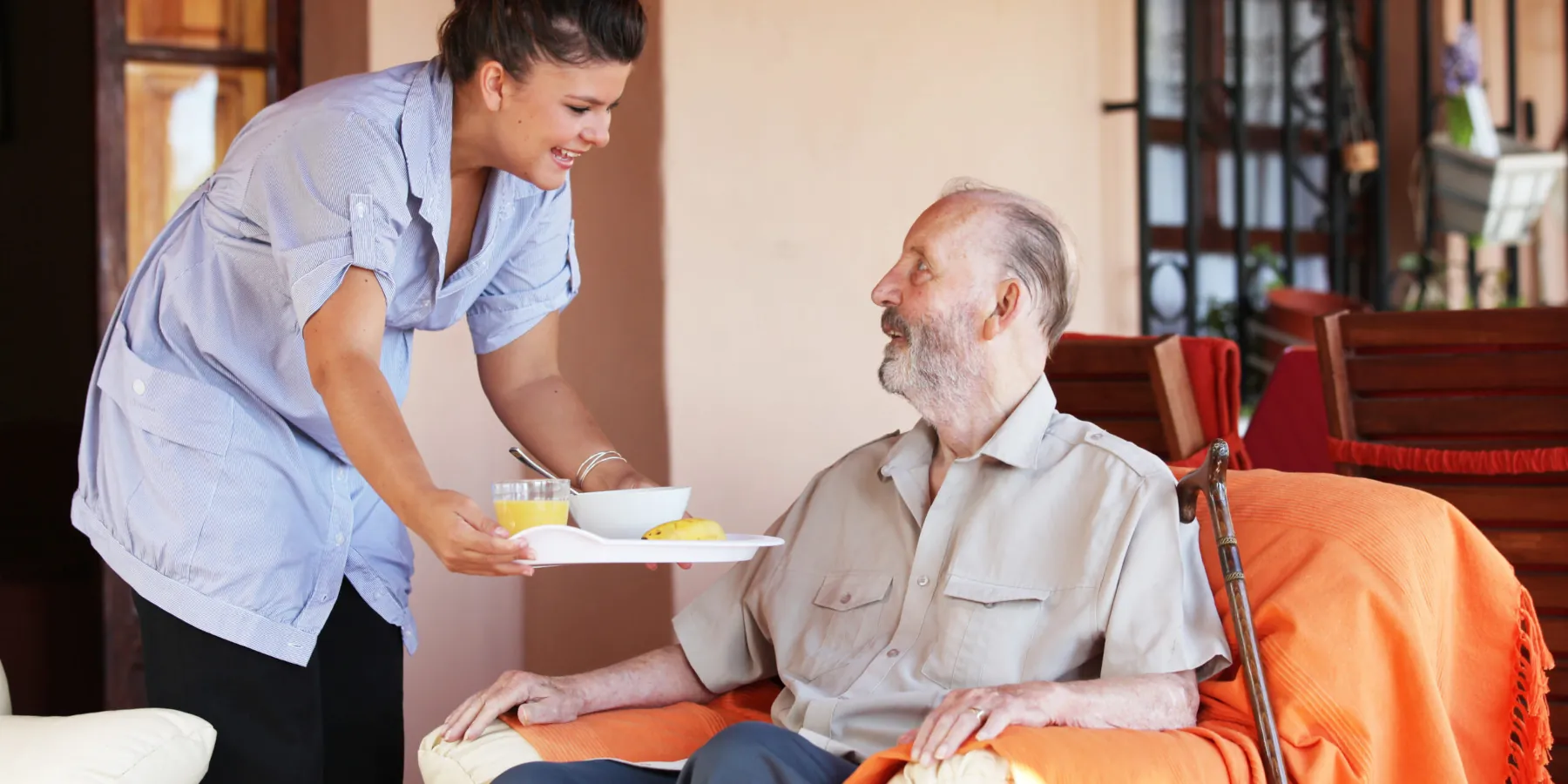
Caring for a loved one at home-due to aging, disability, illness, or injury-is meaningful yet demanding.
In North Dakota, family members can be compensated for providing in-home care under certain conditions. While not all situations or relationships qualify, many families can find options to formalize caregiving compensation.
This article outlines how to become a paid family caregiver in North Dakota: key programs, eligibility, application steps, and important considerations to protect everyone involved.
Understanding Paid Family Caregiving in North Dakota
In North Dakota, paid family caregiving typically requires the care recipient to qualify for Medicaid home-and-community-based services (HCBS) waivers, often 1915(c) waivers.
Through a new pilot program, legally responsible family caregivers can be compensated for providing “extraordinary care” to eligible individuals.
Key points:
-
The care recipient must be enrolled in an eligible Medicaid 1915(c) waiver program.
-
The caregiver must be a legally responsible individual providing daily, extraordinary care within the household.
-
The program is a pilot initiative with limited slots and dependent on legislative funding.
-
Unlike unpaid care or informal payments, this program follows defined rules for caregiver recognition, assessment, and payment.
Major Program That Enables Paid Family Caregiving in North Dakota

Here are three key programs that allow individuals to be paid as family caregivers in North Dakota.
Family Paid Caregiver Pilot Program
This is the main program in North Dakota that allows family caregivers to get paid under the current guidelines.
Here’s what you need to know:
-
The program launched on April 1, 2024, for eligible participants under certain Medicaid 1915(c) waivers.
-
Eligible waivers include:
-
Autism Spectrum Disorder Birth through 17 Waiver
-
Children with Medically Fragile Needs HCBS Waiver
-
Children’s Hospice HCBS Waiver
-
Traditional Individual with Intellectual Disabilities & Developmental Disabilities HCBS Waiver
-
-
“Extraordinary care” refers to care that:
-
Goes beyond what a legally responsible person would typically provide at home for someone without extraordinary medical or behavioral needs.
-
Is essential to ensure the health and safety of the person needing care and to prevent them from being institutionalized.
-
-
Payment: According to media reports, caregivers for children under 18 may earn $77.45 per day, while those caring for adults may earn $154.89 per day under this pilot program.
Important notes:
This program isn’t open to all family caregivers just yet-it’s only available to those who meet specific criteria and are part of the eligible waivers. Also, keep in mind that funding and slots for the program may be limited.
Eligibility & Requirements
To be paid as a family caregiver in North Dakota under the pilot program, both the care recipient and the caregiver must meet specific eligibility criteria and provider-type rules.
Care Recipient Eligibility
-
Must be enrolled in one of the specified Medicaid 1915(c) waiver programs (e.g., ASD Birth-17, Medically Fragile, Children’s Hospice, Traditional IID/DD) in North Dakota.
-
The need for care must meet the “extraordinary care” standard: significant medical or behavioral needs beyond typical household tasks.
-
The service to the care recipient must not duplicate services already compensated through another Medicaid waiver or state plan service.
Caregiver/Provider Eligibility
-
The caregiver must be a “legally responsible individual” for the care recipient: including biological/adoptive parent, guardian, non-entity custodian, or spouse.
-
The caregiver must live with or provide daily care to the eligible person.
-
The caregiver must complete the application process and assessment required through the program; a Child Abuse & Neglect Inquiry may also be required.
Program Rules & Considerations
-
Application must be submitted via the designated portal, and there is annual renewal.
-
The program is pilot/temporary and subject to funding. Applicants may be put on waiting list if slots are full.
-
Payment is based on days/hours authorized under the program, not a general salary. For example, per-day rates were cited above.
-
Before applying, ensure that the services to be provided are not already covered through another provider/service under the Medicaid waiver or state plan (to avoid duplication).
Step-by-Step Guide: How to Become a Paid Family Caregiver in North Dakota
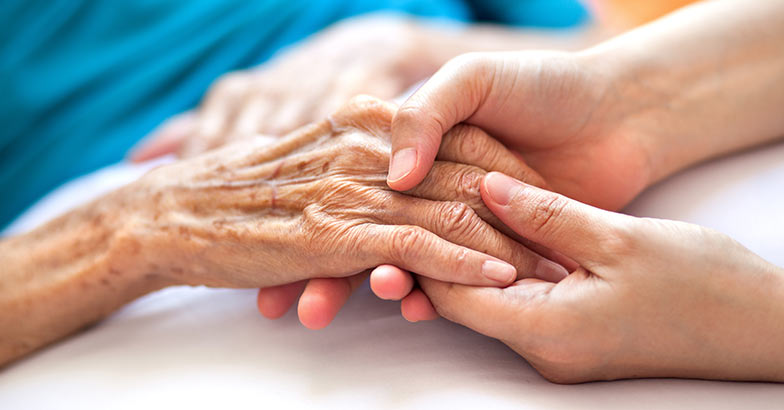
Ready to make a difference and get paid for it? Here’s your step-by-step guide:
Step 1: Determine if Your Loved One Qualifies
To start, assess whether your loved one is part of a North Dakota Medicaid 1915(c) waiver program-such as ASD Birth-17, Medically Fragile Needs, Children’s Hospice, or Traditional IID/DD. These programs cover individuals requiring extensive home-based care.
Next, evaluate the level of care needed. The person must meet the “extraordinary care” standard, meaning they require more support than typical family care. This includes daily living assistance, supervision, or medical-related help. You must also ensure your caregiver role meets the program’s eligibility, such as living with and providing daily care.
Step 2: Understand the Application Process
The Family Paid Caregiver Program operates through the North Dakota Department of Health & Human Services (HHS). Applications are submitted online through the Family Paid Caregiver Portal. The process involves completing forms, submitting documentation, and undergoing eligibility assessments.
After submission, an assessment team reviews the care recipient’s condition and confirms if they qualify for extraordinary care. You may also need to complete required background checks, such as a Child Abuse & Neglect Inquiry, before approval is granted to participate in the pilot program.
Step 3: Submit Application & Get Approved
Begin by creating a North Dakota Login account to access the Family Paid Caregiver Portal. Once logged in, complete and submit the application with accurate information and supporting documentation.
After submission, the state will assess eligibility, care level, and relationship criteria. If approved, you’ll officially qualify to receive compensation under the program. However, approval depends on available funding and program capacity, so early submission and accurate paperwork are essential for timely processing.
Step 4: Provide Care & Be Paid
Once approved, you can begin providing care to your loved one as defined by the program. This includes supporting their daily activities, maintaining safety, and offering emotional and physical assistance.
Keep accurate records of care provided-documenting tasks, dates, and hours as instructed. Payment usually follows a per-day stipend model rather than hourly wages, though details depend on the individual service plan. Always follow North Dakota HHS payment schedules and reporting requirements.
Step 5: Monitor Compliance & Changes
After approval, maintain compliance with all program guidelines. This includes confirming ongoing eligibility, living arrangements, and documentation requirements. If your loved one’s care needs change, update the program accordingly.
Since this initiative is part of a pilot, periodic renewals are required-typically annually. Stay informed of any updates or policy shifts through the North Dakota HHS website or local Aging & Disability Resource Centers to ensure uninterrupted participation and payment.
How Much Can You Be Paid?
Under the North Dakota pilot program, payment rates have been cited as follows:
-
Caregiver providing extraordinary care for a child under age 18: $77.45 per day.
-
Caregiver providing extraordinary care for an adult: $154.89 per day.
Note: These are pilot program stipends, not hourly wages, and are subject to funding and slots. Actual payments will depend on program rules, eligibility, number of days approved, and may be capped by budget appropriations.
If you convert the adult rate to a rough hourly equivalent (for a 24-hour period) it may seem quite low per hour; however the stipends reflect full-day compensation under extraordinary-care definition.
Because the pilot is new and evolving, the exact rate and number of days approved could change-always verify current rate details via the official program.
Important Considerations & Pitfalls to Avoid
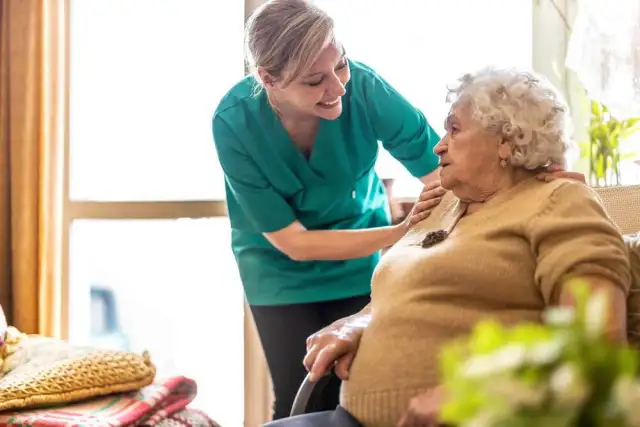
While paid family caregiving in North Dakota is possible, there are important caveats to keep in mind:
1. Avoid informal payment arrangements
If you are simply being paid outside this formal program (for example via a relative paying you privately), you do not have the formal provider status or protections, and the care recipient may be ineligible for formal services. This pilot program is the route for formal state-recognized payment.
2. Confirm your eligibility and your relationship status
The program defines “legally responsible individual” in explicit terms (parent, guardian, custodian, spouse). If you don’t meet that status, you may not be eligible under the pilot.
3. Understand the "extraordinary care" requirement
The Medicaid waiver and pilot program specify that the care must go beyond what an ordinary caregiver might provide and be necessary to avoid institutionalization. If your caregiving duties are more typical, you may not qualify.
4. Recognize the pilot nature and funding limits
This is a pilot program in North Dakota-meaning fewer slots, possible waiting lists, potential changes in funding or rules. Approval is not guaranteed just because you apply.
5. Keep documentation and follow program rules
Even though the pilot appears to offer a daily stipend rather than hours tracked, you must adhere to the application, assessment, renewal and compliance process. Failure to comply may remove your payment eligibility.
6. Be aware of tax or employment implications
Receiving payment for caregiving may affect taxes, benefits or your employment status. It’s wise to consult a tax advisor.
7. Evaluate whether the compensation aligns with the workload
While payment is meaningful, compensations such as $154.89/day need to be weighed against the time, demands, and responsibilities of full-time caregiving. Make sure the arrangement meets your expectations and personal capacity.
Resources to Get Started
Family Paid Caregiver Pilot Program – North Dakota Department of Health & Human Services (HHS): This new pilot, effective April 1, 2024, allows family members who are “legally responsible individuals” to receive reimbursement for providing extraordinary care under certain Medicaid 1915(c) waiver programs (e.g., Autism Spectrum Disorder Birth-Through-17 Waiver, Medically Fragile Waiver, Children’s Hospice Waiver, IID/DD Waiver). Health and Human Services North Dakota
According to media reports, qualification may lead to a stipend of about $77.45 per day for minors and $154.89 per day for adults. Inforum+1
Family Caregiver Support Program (FCSP) – North Dakota Aging & Disability Resource-LINK: Provides support services (respite care, training, counseling, info & referral) for unpaid caregivers of older adults and relatives caring for children and adults with disabilities. Note: this is support services, not wage-pay. Health and Human
Legal / Medicaid Planning Specialist or Elder-Law Attorney in North Dakota: Essential for understanding asset and income eligibility, waiver enrolment, caregiver reimbursement rules, legal contracts, and how payments to family caregivers may affect the care-recipient’s Medicaid status.
Veteran-Specific Caregiver Payment Options – U.S. Department of Veterans Affairs (VA) Programs: If the person you’re caring for is a veteran, there may be federal stipends or allowances for caregivers (under e.g., the Program of Comprehensive Assistance for Family Caregivers) that can either supplement or integrate with the state’s program. aidaly.com+1
FAQs
Can I get paid to take care of my mother in North Dakota?
Yes. Health and Human Services and Medicaid waiver programs offer financial assistance through the Structured Family Caregiving Program. These government programs provide caregiving services, personal care, and homemaker services to help adult children care for loved ones in their own homes instead of nursing homes.
Can a family member get paid to be a caregiver in North Dakota?
Yes. Community Based Services Waiver and Medicaid services let adult children or medicaid eligible family members become paid caregivers. Local programs and local area agency offices help with the application process and care coordination.
Can you get paid for taking care of your parents in North Dakota?
Yes. Official North Dakota Medicaid and state funds support structured family caregiving and respite services for those providing emotional care or help with daily tasks. Financial relief, tax credit, and transportation services may also be available.
Can I be a caregiver for my autistic child in North Dakota?
Yes. Parents of children with autism ages or physical disabilities can qualify through government programs, adult services, or veterans benefits. Assistive devices, caregiver compensation, and support groups are also offered for well being and quality care.
Can a spouse be a paid caregiver in North Dakota?
Sometimes. Veterans benefits and other programs allow qualified spouses to receive financial support for monitored in home caregiving. Check Medicaid enrollees and medicaid eligibility criteria before applying online for care required at a nursing facility level.
Conclusion
Receiving payment for family caregiving in North Dakota is feasible, though subject to strict conditions and a pilot program’s limitations.
Eligibility requires the care recipient to be enrolled in an approved Medicaid waiver and demonstrate extraordinary care needs, while the caregiver must meet specific relationship and daily caregiving criteria. Should you meet these requirements, submitting an application via the portal and completing the assessment can lead to approval.
Adhering to documentation, maintaining compliance, and fulfilling annual renewal obligations will ensure continued compensation for the essential care provided, enabling your loved one to remain comfortably at home.