
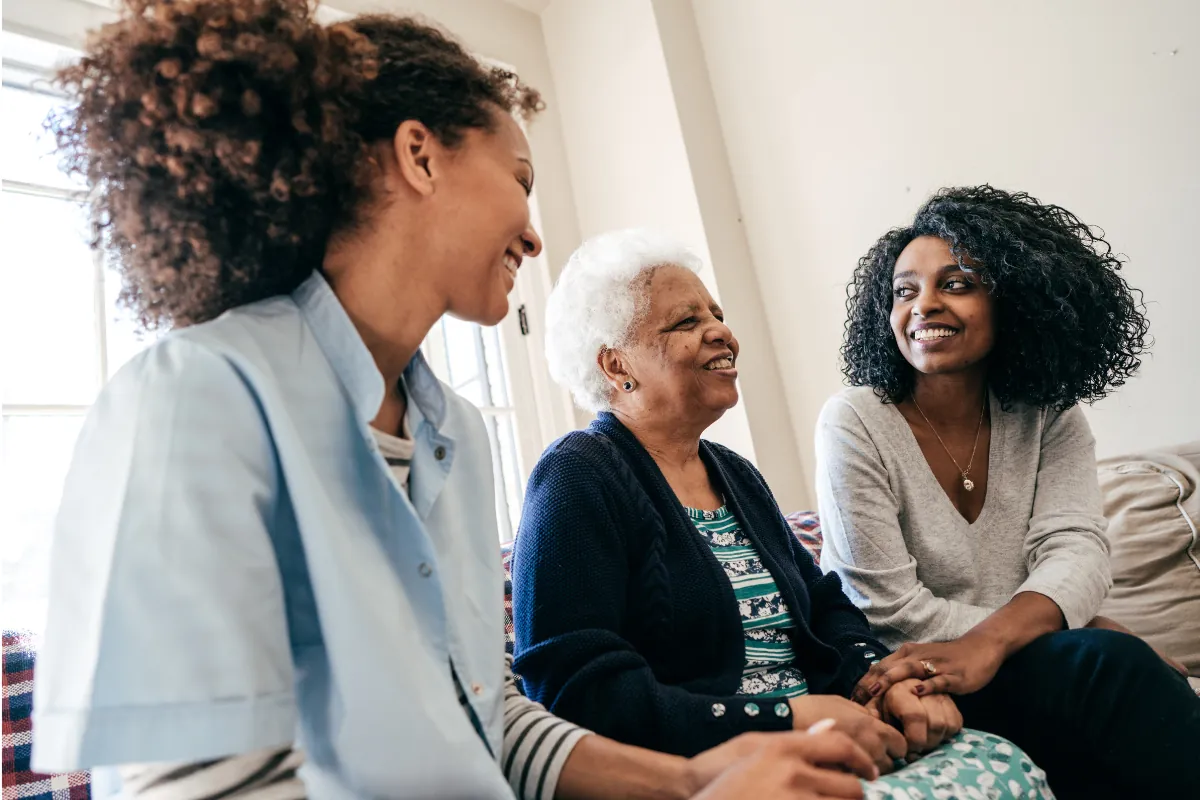
Caring for a loved one is an act of compassion, but it can also bring financial challenges. In New Hampshire, several programs make it possible for family members to receive payment for providing essential in-home care.
Through state and federally funded initiatives, including Medicaid waiver programs and veteran support options, eligible caregivers can be compensated for assisting relatives with daily activities such as bathing, dressing, mobility, and meal preparation.
This guide explains how to get paid to take care of a family member in New Hampshire, outlining key programs, eligibility requirements, and step-by-step instructions to help families navigate the process successfully.
What Is a Paid Family Caregiver?
A paid family caregiver is a relative who receives financial compensation for providing daily care and support to a loved one who cannot live independently due to age, illness, or disability. Instead of relying on professional caregivers or nursing facilities, family members-such as adult children, siblings, or extended relatives-can offer personalized care while being reimbursed through state or federally funded programs.
In New Hampshire, programs like the Choices for Independence (CFI) Waiver and Home and Community-Based Services (HCBS) allow eligible caregivers to be paid for assisting with activities such as bathing, dressing, meal preparation, and medication reminders, helping families balance compassion with financial stability.
Understanding Paid Family Caregiving in New Hampshire
Paid family caregiving in New Hampshire allows relatives to receive financial compensation for helping loved ones who need daily care due to aging, illness, or disability. The state recognizes that family members often provide the best, most consistent care and supports this through Medicaid-funded programs and community-based initiatives.
Under options such as the Choices for Independence (CFI) Waiver and Home and Community-Based Services (HCBS), eligible individuals can hire family members to assist with personal care, meals, mobility, and household tasks. These programs operate under a consumer-directed model, meaning the care recipient has control over who provides their care and how it’s managed.
Paid family caregiving in New Hampshire promotes independence, reduces institutional care costs, and ensures loved ones receive compassionate, personalized support in the comfort of their homes.
Does This State Have Support for Caregivers?
Yes. New Hampshire offers several programs and resources dedicated to supporting caregivers. The Bureau of Elderly and Adult Services (BEAS) and ServiceLink Resource Centers provide education, respite care, and financial assistance through programs like the Choices for Independence (CFI) Waiver and the Family Caregiver Support Program.
These initiatives offer training, counseling, and temporary relief for those providing full-time care. Additionally, veteran caregivers can access guidance and stipends through the Veteran-Directed Care (VDC) program, ensuring comprehensive support for both caregivers and their loved ones.
Key Programs That Pay Family Caregivers in New Hampshire
New Hampshire offers several programs that allow family members to receive payment for providing care to loved ones who are elderly, disabled, or have chronic health conditions. These programs are designed to help individuals remain at home rather than move into nursing facilities, while also supporting family caregivers financially.
Below are the key options available in the state.
1. Choices for Independence (CFI) Waiver
The Choices for Independence (CFI) Waiver is New Hampshire’s primary Medicaid-funded program for seniors and adults with disabilities who require a nursing-home level of care but prefer to live at home. It covers services such as personal care, meal preparation, homemaking, respite, and transportation.
Under the self-directed model, participants can hire and manage their own caregivers, including certain family members. This model provides flexibility and ensures care is delivered by trusted individuals who understand the recipient’s needs best.
2. Home and Community-Based Services (HCBS) Waiver
The HCBS Waiver supports individuals with physical or developmental disabilities who need assistance with activities of daily living. Through this waiver, eligible care recipients can choose their own caregivers-sometimes family members-to provide in-home care and support.
It also offers case management, personal assistance, and community integration services. The program helps reduce dependence on institutional care while allowing families to receive financial recognition for the care they already provide.
3. Consumer-Directed Personal Care Attendant Services
This program empowers care recipients to take charge of their own care. It operates under a participant-directed model, giving individuals control over hiring, scheduling, and supervising their caregivers. Family members can be compensated for providing personal care, companionship, and household support, as long as they meet program qualifications.
4. Veteran-Directed Care (VDC)
For veterans in New Hampshire, the Veteran-Directed Care (VDC) program offers a flexible monthly budget to hire caregivers, including family members. It allows veterans to remain independent and receive personalized, home-based care tailored to their needs.
Together, these programs make it possible for families in New Hampshire to combine compassion with financial stability, ensuring loved ones receive quality, consistent care at home.
Eligibility Requirements for Paid Family Caregivers in New Hampshire
To become a paid family caregiver in New Hampshire, both the care recipient and the caregiver must meet specific eligibility criteria.
Care Recipient Requirements:
-
Must be a New Hampshire resident and a U.S. citizen or legal resident.
-
Must meet financial eligibility for Medicaid or the applicable waiver program (such as the CFI or HCBS Waiver).
-
Must require help with activities of daily living (ADLs), including bathing, dressing, eating, and mobility.
-
Must complete a functional needs assessment conducted by the Bureau of Elderly and Adult Services (BEAS) or a case manager to confirm care requirements.
Caregiver Requirements:
-
Must be 18 years or older, physically capable of performing care tasks, and pass a criminal background check.
-
Must complete orientation and training, as required by the program.
-
Spouses or legal guardians may have restrictions under Medicaid but could qualify under Veteran-Directed Care.
Meeting these eligibility criteria ensures both compliance with state rules and fair compensation for caregivers providing essential in-home care.
How to Get Paid as a Family Caregiver in New Hampshire: A Step-by-Step Guide

Caring for a loved one is one of the most meaningful acts of service a person can provide, but it often comes with financial strain. Fortunately, New Hampshire offers programs that allow family members to receive payment for providing essential in-home care. Whether you’re helping a parent, sibling, or other relative, several state and federal options can help turn your caregiving role into a sustainable, compensated position.
Below is a detailed step-by-step guide on how to get paid as a family caregiver in New Hampshire.
Step 1: Determine Medicaid Eligibility for Your Loved One
The first step in becoming a paid family caregiver is confirming that your loved one qualifies for New Hampshire Medicaid. Most programs that pay caregivers are funded through Medicaid waivers.To qualify, the care recipient must:
-
Be a New Hampshire resident.
-
Be a U.S. citizen or legal resident.
-
Meet income and asset limits under New Hampshire Medicaid guidelines.
-
Require assistance with daily living activities such as bathing, grooming, dressing, or mobility.
If your loved one is a veteran, they may also qualify for the Veteran-Directed Care (VDC) program, which is administered through the U.S. Department of Veterans Affairs and allows family caregivers to be paid directly.
Step 2: Contact the Right Agency
Once Medicaid eligibility is established, contact the New Hampshire Department of Health and Human Services (DHHS) or the Bureau of Elderly and Adult Services (BEAS). These agencies oversee the Choices for Independence (CFI) Waiver and other home-based programs that compensate caregivers.
If your loved one is a senior, you can also reach out to a local ServiceLink Resource Center for personalized assistance. They can explain available programs, help complete paperwork, and connect you with case managers.
Step 3: Schedule a Functional Needs Assessment
After applying for services, your loved one must undergo a functional needs assessment conducted by a BEAS nurse or case manager. This assessment determines how much assistance your loved one needs and what kind of care plan is appropriate.
During the evaluation, the assessor will review:
-
The care recipient’s ability to perform activities of daily living (ADLs).
-
Any medical or cognitive limitations.
-
The home environment and safety conditions.
-
Support systems currently in place.
Based on the results, a personalized care plan will be developed, outlining the services required and the number of hours of care approved per week.
Step 4: Enroll in the Appropriate Program
Depending on your loved one’s needs, one of several programs may apply:
-
Choices for Independence (CFI) Waiver: Designed for seniors and adults with disabilities who qualify for nursing-home-level care but wish to remain at home.
-
Home and Community-Based Services (HCBS) Waiver: Provides care for individuals with disabilities who need daily assistance.
-
Consumer-Directed Personal Care Services: Allows care recipients to hire, train, and manage their caregivers directly, including family members.
-
Veteran-Directed Care (VDC): Veterans receive a flexible monthly budget to hire family members as caregivers.
Each program has its own application and enrollment requirements, but all require verification of caregiver eligibility and the completion of background checks.
Step 5: Complete Caregiver Enrollment and Training
Once you are approved as a caregiver under one of the state’s programs, you’ll need to complete an orientation and any required training. This ensures you’re familiar with care standards, documentation rules, and safety procedures.
You’ll also be asked to:
-
Submit personal identification documents.
-
Complete payroll forms (such as W-4 or direct deposit information).
-
Pass a criminal background check.
Some programs, such as the Personal Care Services model, may require CPR and First Aid certification or basic caregiver skills training.
Step 6: Begin Caregiving and Track Hours
After training, you can officially start providing care to your loved one. Your responsibilities may include personal assistance, medication reminders, meal preparation, transportation, and companionship.
Caregivers are paid based on the number of approved care hours. You’ll need to record your work using Electronic Visit Verification (EVV) or paper timesheets, depending on your program’s requirements. Payments are processed weekly or biweekly through a fiscal management agency or payroll provider affiliated with the program.
Step 7: Maintain Compliance and Renew Enrollment
It is strongly recommended to establish a formal, written caregiver agreement. This document should clearly outline your role, responsibilities, work schedule, hourly rate, and the specific duties you will perform.
The agreement should align closely with the care recipient’s individualized care plan, ensuring consistency and adherence to their needs. A written caregiver agreement not only provides protection for both parties but also serves as a critical piece of documentation for compliance and potential audits.
Step 5: Maintain Accurate Timekeeping, Duties, and Payroll Records
To remain eligible for payment, both caregivers and recipients must comply with program requirements. This includes:
-
Submitting timesheets accurately and on time.
-
Reporting any major changes in health, living arrangements, or finances.
-
Completing annual reassessments or training updates.
Missing deadlines or providing incomplete documentation can delay payments or affect eligibility, so staying organized is crucial.
Step 8: Utilize Support and Respite Resources
New Hampshire provides support systems to help caregivers maintain their own well-being. Programs like the Family Caregiver Support Program and local ServiceLink Resource Centers offer counseling, training workshops, respite care, and emotional support. These resources help reduce burnout and improve caregiving quality.
Becoming a paid family caregiver in New Hampshire takes time and effort but comes with meaningful rewards. By enrolling in programs like the Choices for Independence (CFI) Waiver or Veteran-Directed Care (VDC), you can earn fair compensation while helping your loved one stay independent at home. With organization and support, caregiving becomes both an act of love and a sustainable profession.
What Is the Pay for Family Caregivers in New Hampshire?
Family caregivers in New Hampshire are typically paid based on state Medicaid reimbursement rates, program type, and the level of care provided. On average, paid family caregivers earn between $15 and $22 per hour, though rates may vary depending on the care recipient’s approved service plan and regional wage differences.
Under programs like the Choices for Independence (CFI) Waiver or Home and Community-Based Services (HCBS), caregivers are compensated for assisting with daily living activities such as bathing, dressing, and meal preparation. Payments are usually processed through a fiscal management agency, which handles payroll, taxes, and time verification.
Veterans enrolled in the Veteran-Directed Care (VDC) program may also pay family caregivers comparable or higher hourly rates, depending on their allocated budget and needs assessment.
Basic Training and Certification Requirements
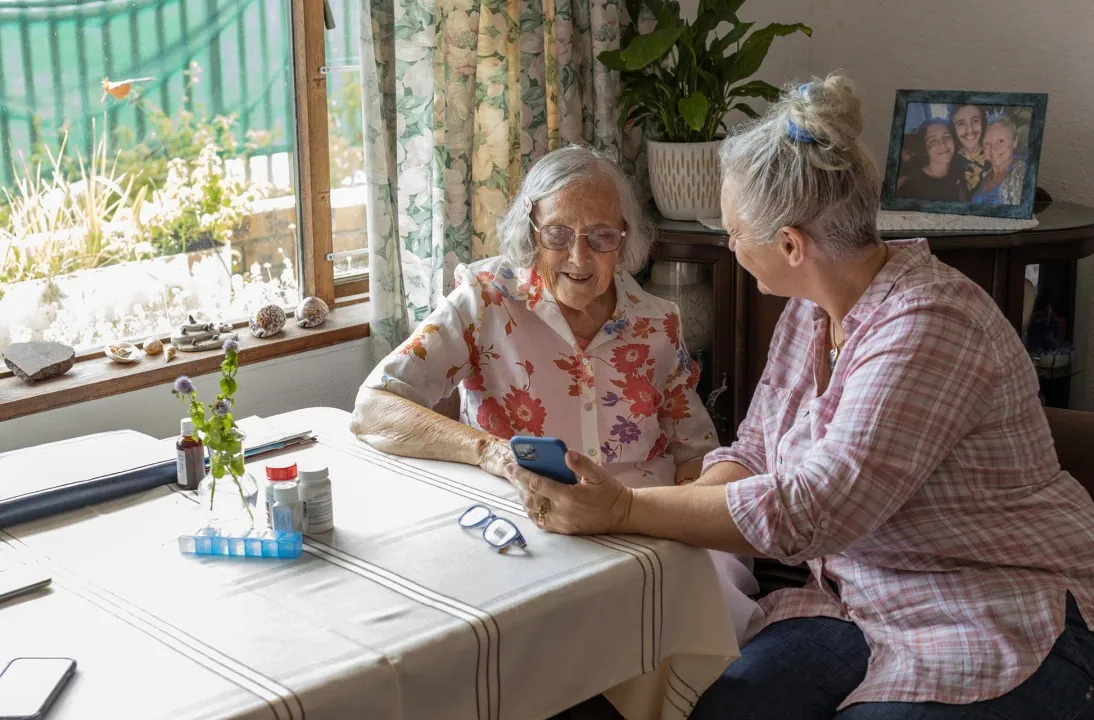
In New Hampshire, paid family caregivers must meet certain training and certification standards to ensure safe and effective care. All caregivers must be at least 18 years old, pass a criminal background check, and complete program orientation through the Bureau of Elderly and Adult Services (BEAS) or the managing agency.
Training typically covers personal care techniques, infection control, nutrition, emergency response, and communication skills. Some programs-such as the Choices for Independence (CFI) Waiver)-require First Aid and CPR certification within a set period after enrollment. Additional caregiver education may be required annually to maintain eligibility.
These training requirements ensure caregivers understand both the physical and emotional aspects of care, protecting the safety and well-being of the individuals they support.
Challenges and Considerations for Family Caregivers in New Hampshire
Becoming a paid family caregiver in New Hampshire can be fulfilling, but it also comes with unique challenges and important factors to consider.
Complex Application Process: Navigating Medicaid and waiver program requirements can be time-consuming. The process involves financial verification, medical assessments, and background checks, which may delay approval and payment.
Eligibility Limitations: Not all family members are eligible for payment-spouses and legal guardians are often excluded under Medicaid-funded programs, though they may qualify under Veteran-Directed Care (VDC).
Administrative Duties: Caregivers must manage paperwork, submit timesheets, and comply with Electronic Visit Verification (EVV) systems. Any errors can result in delayed or denied payments.
Emotional and Physical Stress: Balancing the emotional attachment to a loved one with professional caregiving duties can lead to burnout. Many caregivers experience fatigue or anxiety without proper respite or support.
Training and Compliance: Maintaining certifications and completing required training or annual recertifications can be demanding, especially for caregivers juggling multiple responsibilities.
Limited Funding and Waitlists: Some programs, like the Choices for Independence (CFI) Waiver, have limited funding, leading to waiting lists and coverage restrictions.
Pay Rate Variability: Compensation depends on county rates and authorized care hours, which may not fully reflect the caregiver’s workload.
Understanding these challenges helps families prepare mentally, emotionally, and financially, ensuring sustainable and high-quality caregiving for their loved ones.
Benefits of Becoming a Paid Family Caregiver

Becoming a paid family caregiver in New Hampshire offers both emotional and financial rewards. It allows families to care for loved ones in the comfort of their own homes while receiving compensation for their time and dedication. Financially, it helps offset lost income from reduced work hours and covers caregiving-related expenses, providing greater stability. Emotionally, caregiving strengthens family bonds, promotes trust, and ensures that care is delivered by someone who genuinely understands the recipient’s needs.
Programs such as the Choices for Independence (CFI) Waiver and Veteran-Directed Care (VDC) also provide access to resources like respite services, training, and support groups. These benefits make caregiving not only a compassionate commitment but also a sustainable and recognized profession that values family involvement in quality home-based care.
Tips for Successful Caregiving
-
Stay Organized: Keep records of medications, appointments, and daily care activities.
-
Follow the Care Plan: Stick to the plan designed by the case manager or healthcare professional.
-
Communicate Regularly: Maintain open communication with doctors, caseworkers, and family members.
-
Take Breaks: Use respite services to rest and avoid caregiver burnout.
-
Track Hours Accurately: Submit timesheets or Electronic Visit Verification (EVV) logs on time.
-
Continue Learning: Attend training sessions to enhance caregiving skills and stay updated on program rules.
-
Set Boundaries: Balance your emotional connection with professional responsibilities.
-
Seek Support: Join caregiver support groups or use community resources for advice and encouragement.
-
Prioritize Self-Care: Maintain good nutrition, rest, and exercise to stay healthy and focused.
Resources to Get Started in New Hampshire
New Hampshire Department of Health and Human Services (DHHS): Main portal for Medicaid, waiver programs, and caregiver eligibility. Visit https://www.dhhs.nh.gov.
Bureau of Elderly and Adult Services (BEAS): Provides information on the Choices for Independence (CFI) Waiver and support services.
ServiceLink Resource Centers: Offers free guidance on local programs and helps families apply for caregiver benefits. Visit https://www.servicelink.nh.gov.
VA Caregiver Support Program: Helps veterans and family caregivers access financial assistance and training. Visit https://www.caregiver.va.gov.
These resources guide families through applications, training, and caregiver support options in New Hampshire.
FAQs
Can I get paid to take care of my mother in New Hampshire?
Yes. Government programs like the structured family caregiving program and self directed services help pay family members who provide in home caregivers or homemaker services. Families deemed eligible for Medicaid may also receive financial support, transportation services, and caregiver compensation for a serious health condition.
Can a family member get paid to be a caregiver in New Hampshire?
Yes. Informal caregivers and own care providers can be paid through self directed services or a provider agency under government programs. Local area agencies and local aging offices offer financial relief, job protection, and comprehensive assistance for those giving care at a nursing facility level.
Can you get paid for taking care of your parents in New Hampshire?
Yes. Care providers for aging parents can receive financial support through adult day services, homemaker services, or va benefits. Government programs and insurance company options help cover caregiving expenses, while dependent care credit and paid family leave offer financial relief for family caregivers.
Can I be a caregiver for my autistic child in New Hampshire?
Yes. Parents of children with intellectual disabilities or physical or other disabilities may qualify under structured family caregiving program or self directed services. These government programs provide flexible budget, medication management, adult day health, and comprehensive assistance to help families manage ongoing caregiving expenses.
Can a spouse be a paid caregiver in New Hampshire?
Yes. Surviving spouses or partners caring for veterans may qualify under VA benefits or housebound benefits. Other government programs help in home caregivers and own care providers with financial relief, health insurance, and employee benefits when accessing local providers or assisted living facility support.
Conclusion
Becoming a paid family caregiver in New Hampshire provides a meaningful way to support loved ones while receiving fair compensation for your time and effort. Through programs such as the Choices for Independence (CFI) Waiver, Home and Community-Based Services (HCBS), and Veteran-Directed Care (VDC), families can access financial assistance and professional guidance to make caregiving sustainable.
While the process requires patience, assessments, and training, the rewards are lasting-offering comfort, dignity, and independence to those in need. With the right program and support, caregiving becomes both a personal mission and a financially supported role.