

Caring for a loved one at home can be both rewarding and financially demanding. In Nevada, several programs make it possible for family members to receive payment for providing essential in-home care to aging parents, disabled relatives, or individuals with chronic illnesses.
Through state and federally funded initiatives-such as Medicaid’s Personal Care Services (PCS), Home and Community-Based Services (HCBS) Waiver, and Veteran-Directed Care (VDC)-eligible caregivers can earn compensation while ensuring their loved ones remain safe and independent at home.
This guide explains how to get paid to take care of a family member in Nevada, including key programs, eligibility requirements, and the steps needed to apply successfully and begin receiving caregiver pay.
Understanding Paid Family Caregiving in Nevada
Paid family caregiving in Nevada allows relatives to receive financial compensation for assisting loved ones who need daily support due to age, illness, or disability. Through Medicaid-funded programs and state-supported services, Nevada recognizes the value of family care and offers structured ways for caregivers to be paid for their time and effort.
Programs like Personal Care Services (PCS), Home and Community-Based Services (HCBS) Waiver, and Community Options Program for the Elderly (COPE) let qualified individuals hire family members as caregivers. These programs operate under a self-directed model, giving the care recipient control over who provides care and how services are managed.
Paid caregiving not only promotes independence and comfort for loved ones but also provides financial stability and emotional support for families across Nevada.
Benefits of Becoming a Paid Family Caregiver
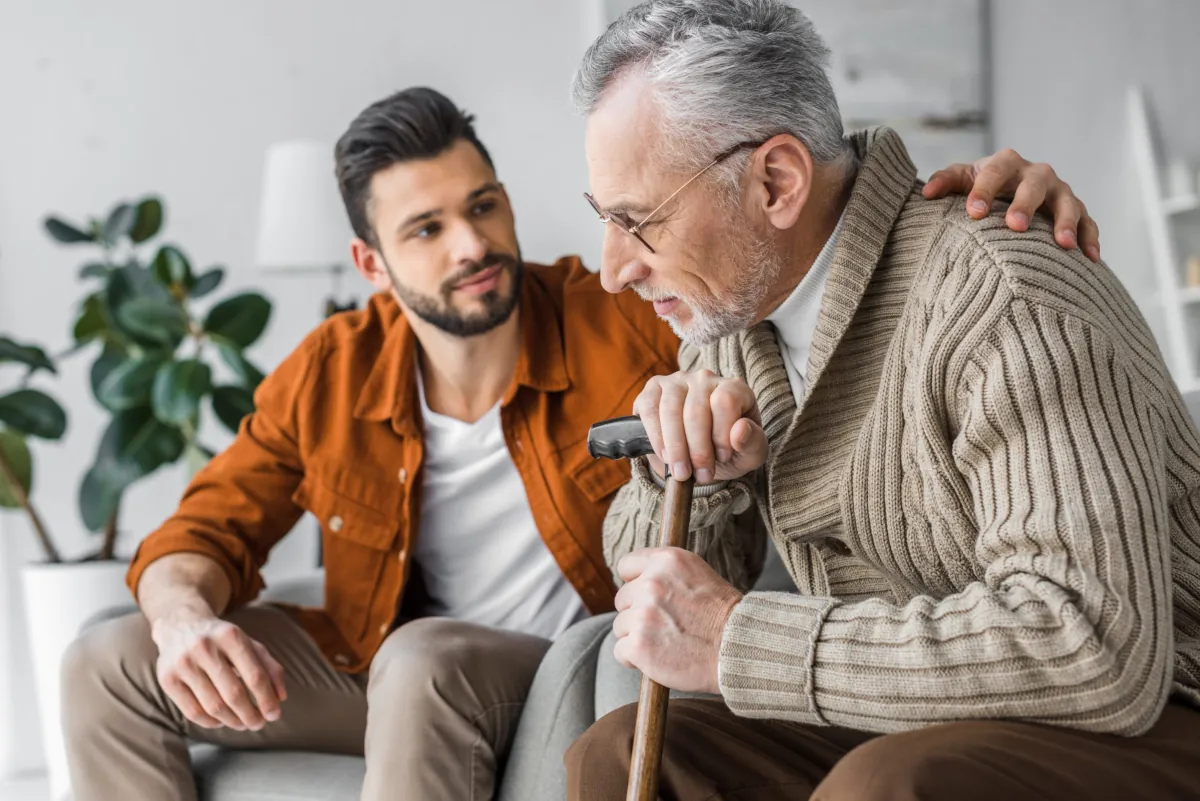
Becoming a paid family caregiver in Nevada offers emotional, financial, and practical benefits for both caregivers and care recipients.
By formalizing the caregiving relationship, families gain access to essential resources while ensuring loved ones receive consistent, compassionate care in a familiar environment.
1. Financial Stability and Support
One of the most immediate benefits is the financial relief it provides. Caring for a loved one often requires giving up full-time employment or reducing work hours. Through programs such as Medicaid Personal Care Services (PCS), Home and Community-Based Services (HCBS), and Veteran-Directed Care (VDC), eligible family members can receive hourly pay for the services they provide. This compensation helps cover personal expenses, household costs, and caregiving-related supplies-making long-term care more sustainable.
2. Comfort and Familiarity for Loved Ones
When care is provided by a trusted family member, the recipient feels safer and more at ease. Being surrounded by familiar people and home settings reduces stress, improves emotional well-being, and can even support better health outcomes. For seniors and individuals with disabilities, in-home care can significantly delay or eliminate the need for institutional care, promoting independence and dignity.
3. Flexible and Personalized Care
Family caregiving allows for flexibility that professional care facilities often can’t provide. Caregivers can tailor routines, schedules, and daily support to match their loved one’s unique needs. Nevada’s self-directed care model also gives the care recipient more control, allowing them to choose their caregiver and define the services provided-creating a customized approach to care.
4. Emotional Fulfillment and Family Connection
Caring for a loved one can strengthen emotional bonds and provide a deep sense of purpose. Knowing that your efforts contribute to your family member’s comfort and quality of life brings fulfillment that extends beyond financial rewards. Many caregivers find the role meaningful, viewing it as a way to give back and honor loved ones.
5. Access to Resources and Training
Paid caregivers in Nevada can access training, respite services, and community resources through the Aging and Disability Services Division (ADSD) and local support networks. These services provide education, emotional support, and guidance to help caregivers maintain balance and long-term well-being.
Key Programs That Pay Family Caregivers in Nevada

Nevada provides several programs that allow family members to receive payment for offering care to loved ones who are elderly, disabled, or chronically ill. These programs aim to help individuals remain in their homes while ensuring caregivers are supported financially.
Below are the main programs available in the state.
1. Personal Care Services (PCS) / Personal Care Assistant Program
The Personal Care Services (PCS) program, funded by Nevada Medicaid, allows eligible individuals to hire caregivers to assist with activities of daily living (ADLs) such as bathing, grooming, mobility, dressing, and eating. Family members who meet program requirements can be hired as caregivers. Payments are made through an approved fiscal management agency, ensuring compliance with Medicaid rules.
2. Home and Community-Based Services (HCBS) Waiver
The HCBS Waiver helps seniors and individuals with disabilities who might otherwise need nursing-home-level care remain safely at home. Under the self-directed model, participants can choose and hire a relative as their caregiver. This waiver covers services such as personal care, homemaker assistance, respite, and transportation.
3. Community Options Program for the Elderly (COPE)
The COPE program provides in-home care and support services for older adults who are not eligible for Medicaid but still need assistance to live independently. It often allows family caregivers to receive compensation for their services while connecting them with additional resources like respite care and case management.
4. Veteran-Directed Care (VDC)
Through the Veteran-Directed Care (VDC) program, veterans who qualify for VA benefits can receive a flexible monthly budget to hire caregivers of their choice-including family members. This program helps veterans remain at home while giving caregivers financial support and access to training and resources through the Department of Veterans Affairs.
Together, these programs create flexible, family-centered options that strengthen Nevada’s caregiving network and improve quality of life for both caregivers and recipients.
Eligibility Requirements for Paid Family Caregivers in Nevada
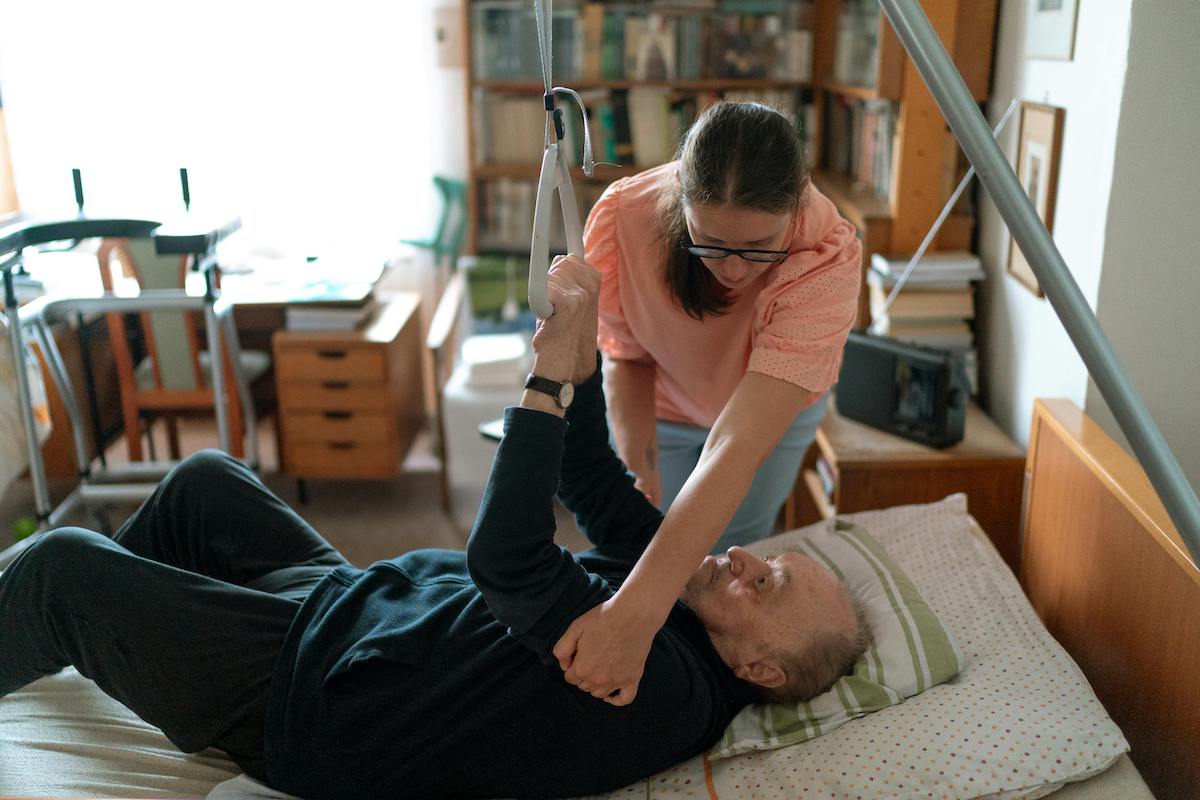
To become a paid family caregiver in Nevada, both the care recipient and caregiver must meet certain eligibility criteria established by Medicaid or the program they apply through.
Care Recipient Requirements:
-
Must be a Nevada resident and a U.S. citizen or legal resident.
-
Must require help with activities of daily living (ADLs) such as bathing, dressing, mobility, or eating.
-
Must be financially eligible for Nevada Medicaid or an approved waiver program (income and asset limits apply).
-
Must complete a needs assessment conducted by the Nevada Department of Health and Human Services (DHHS) or an authorized case manager.
Caregiver Requirements:
-
Must be 18 years or older and physically capable of providing care.
-
Must pass a criminal background check and complete required training or orientation.
-
Must not be the spouse or legal guardian, unless permitted under a specific program like Veteran-Directed Care (VDC).
Meeting these requirements ensures compliance with Nevada’s Medicaid regulations and helps families receive proper compensation for caregiving services.
Are There Any Training or Certification Requirements?
Yes. Nevada requires family caregivers participating in Medicaid or state-funded programs to complete basic training and meet certification standards before receiving payment. These requirements ensure caregivers can safely and effectively support their loved ones.
All caregivers must be at least 18 years old, pass a criminal background check, and complete an orientation session that explains program rules, documentation, and client rights. Under programs such as Personal Care Services (PCS) and the Home and Community-Based Services (HCBS) Waiver, caregivers receive training on topics like infection control, safe transfers, nutrition, medication reminders, and emergency response.
In many cases, training is provided by a fiscal management agency, local care provider, or through the Nevada Aging and Disability Services Division (ADSD). Additional certifications, such as CPR or first aid, may also be recommended depending on the care recipient’s needs. Ongoing education or annual refreshers may be required to maintain eligibility and uphold Nevada’s care standards.
Step-by-Step: How to Get Paid as a Family Caregiver in Nevada
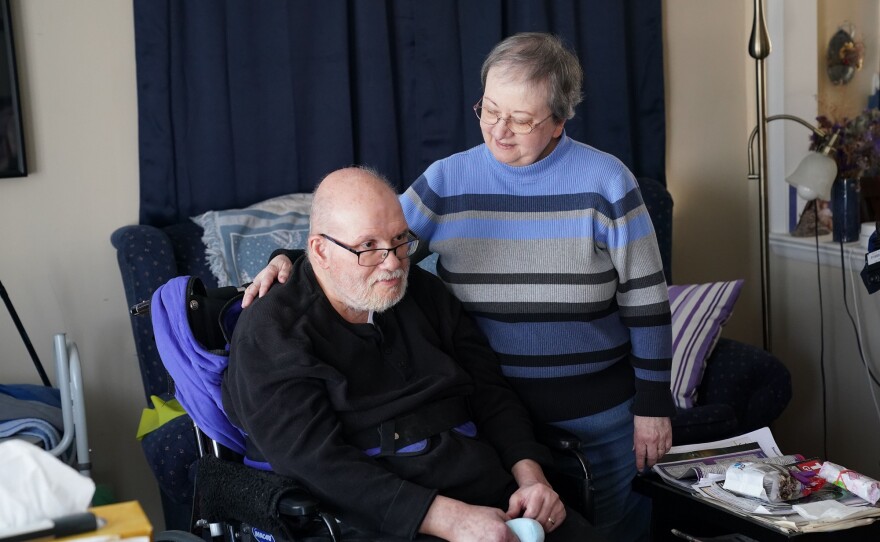
Becoming a paid family caregiver in Nevada allows you to earn financial compensation for providing care to a loved one while ensuring they can continue living safely and comfortably at home. Whether you are caring for an elderly parent, a disabled family member, or a veteran, the state offers several programs to help families formalize and fund caregiving arrangements.
Below is a detailed, step-by-step guide to help you understand how to get paid as a family caregiver in Nevada.
Step 1: Determine Your Loved One's Eligibility
The first step is to determine whether your loved one qualifies for state-funded assistance programs that allow family caregivers to be paid. Most caregiving programs in Nevada are funded through Medicaid or the Department of Veterans Affairs (VA).
To be eligible, the care recipient must:
-
Be a Nevada resident and U.S. citizen or legal resident.
-
Require help with activities of daily living (ADLs) such as bathing, dressing, mobility, or eating.
-
Meet financial eligibility requirements for Medicaid or the relevant waiver program.
-
Prefer to remain at home rather than move into a long-term care facility.
If your loved one is a veteran, they may also qualify for the Veteran-Directed Care (VDC) program, which allows veterans to use VA funds to pay family caregivers directly.
Step 2: Contact the Appropriate Agency
Once you’ve confirmed that your loved one might be eligible, the next step is to contact the right state agency to begin the process.
-
For Medicaid-funded programs like the Personal Care Services (PCS) or Home and Community-Based Services (HCBS) Waiver, contact the Nevada Department of Health and Human Services (DHHS) or your local Aging and Disability Services Division (ADSD) office.
-
For veterans, contact your local VA Medical Center or the VA Caregiver Support Line at 1-855-260-3274.
These agencies will explain program options, eligibility requirements, and application procedures.
Step 3: Schedule a Needs Assessment
After initial contact, a needs assessment is conducted by a nurse or case manager from the state or an authorized agency. This assessment determines the level of assistance your loved one requires and which program is best suited for them.
During this visit, the assessor will evaluate:
-
The care recipient’s physical abilities and limitations.
-
Medical and emotional conditions.
-
Safety and accessibility of the home environment.
-
How many hours of personal care assistance are needed weekly.
Based on this assessment, a care plan is created that outlines approved services, such as personal care, housekeeping, meal preparation, or transportation. The number of authorized hours will also influence how much you, as a caregiver, can be paid.
Step 4: Choose the Right Program
Nevada offers several programs that allow family members to become paid caregivers:
-
Personal Care Services (PCS): A Medicaid program providing payment to caregivers assisting with ADLs like bathing, dressing, and eating.
-
Home and Community-Based Services (HCBS) Waiver: Designed for individuals who require nursing-home-level care but wish to remain at home. Family members can be hired and paid under this waiver.
-
Community Options Program for the Elderly (COPE): A state-funded program for seniors who need support but don’t qualify for Medicaid.
-
Veteran-Directed Care (VDC): Enables veterans to hire family caregivers using VA-provided funds.
The best program for your family depends on the care recipient’s age, income, and specific medical or functional needs.
Step 5: Complete Enrollment and Caregiver Registration
Once your loved one is approved for a program, you must complete the caregiver enrollment process. This includes:
-
Filling out an employment application or caregiver agreement.
-
Submitting proof of identity, tax forms (W-4, I-9), and bank details for direct deposit.
-
Completing a criminal background check as required by state law.
-
Attending a mandatory orientation and any required training sessions.
Most programs operate through a Fiscal Management Service (FMS) or approved agency that handles payroll, taxes, and timesheets. You must enroll with this agency before receiving payment.
Step 6: Begin Caregiving and Logging Hours
After completing enrollment and training, you can officially begin providing care as a paid caregiver. Your responsibilities may include:
-
Assisting with bathing, grooming, dressing, and mobility.
-
Preparing meals and assisting with feeding.
-
Administering medication reminders.
-
Providing transportation to appointments.
-
Helping with light housekeeping and companionship.
You will be required to record your work hours using Electronic Visit Verification (EVV) or timesheets, depending on the program. Accurate documentation ensures timely payment and compliance with Medicaid regulations. Payments are typically processed biweekly through the fiscal management agency.
Step 7: Maintain Compliance and Renewal Requirements
To remain eligible for pay, caregivers must follow ongoing program requirements, including:
-
Submitting accurate and timely timesheets.
-
Reporting changes in the care recipient’s condition or living situation.
-
Completing annual reassessments conducted by DHHS or the assigned case manager.
-
Participating in refresher training or continuing education if required.
Failure to meet documentation or reporting deadlines may delay payments or cause program suspension. Staying organized and maintaining communication with your program coordinator helps avoid these issues.
Step 8: Plan for Long-Term Sustainability
Finally, caregiving should be viewed as a long-term commitment. Maintain a detailed record of all care activities, training certificates, and communications with state agencies. Take advantage of respite services to prevent burnout and seek assistance from support groups to manage stress.
By staying informed, proactive, and organized, you can make your caregiving role both financially and emotionally sustainable for the long term.
Becoming a paid family caregiver in Nevada involves several steps, but the process is designed to reward compassion, dedication, and family unity. By enrolling in programs such as PCS, HCBS, COPE, or VDC, you can receive fair compensation for your caregiving work while ensuring your loved one enjoys safety, dignity, and independence in their home.
How Much Do Family Caregivers Get Paid in Nevada?
In Nevada, pay rates for family caregivers can vary based on program, location, and level of care. Under Medicaid’s self-directed programs, many caregivers report a minimum rate of around $16 per hour. Some sources cite broader hourly ranges-for instance, between $9 and $15 per hour in earlier guides.
Because of recent rate changes, as of January 1 2024 the state announced a reimbursement minimum rate of $16/hour for eligible direct care workers through Medicaid. Ultimately, your exact pay depends on the care recipient’s approved service plan, the geographic region, and specific program rules (e.g., Personal Care Services (PCS), Home and Community‑Based Services (HCBS) Waiver).
Training and Certification Requirements
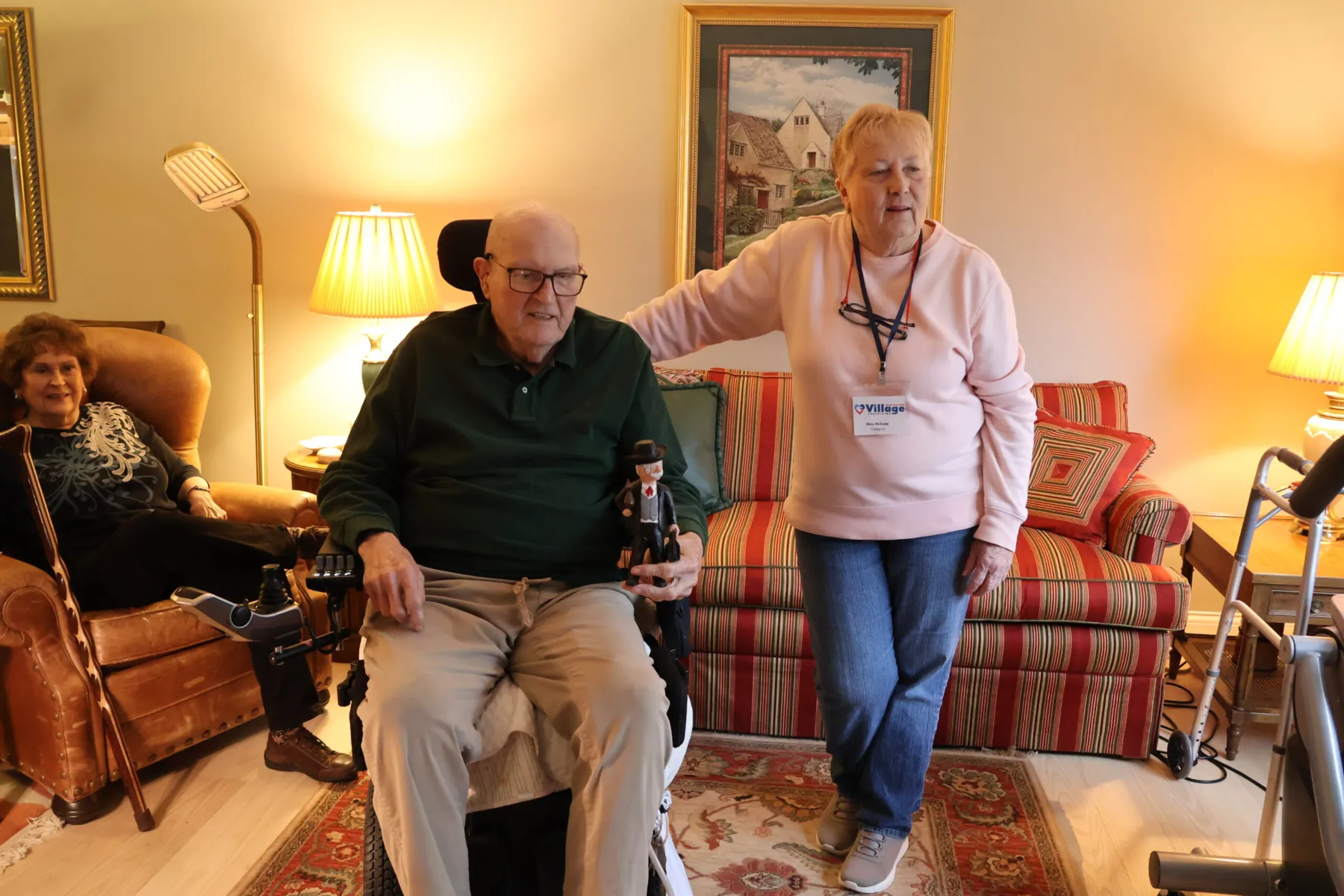
In Nevada, paid family caregivers must meet specified training and certification requirements to qualify for state-funded programs.
-
Caregivers must be at least 18 years old and pass a federal and state-level criminal-background check.
-
Within six months of employment, caregivers must obtain First Aid and CPR certification as mandated by Nevada Administrative Code (NAC 449.3973).
-
Nevada requires a minimum of eight hours of formal training annually focused on personal-care tasks, safety, infection control, and emergency procedures.
-
For programs like the Personal Care Services (PCS) run by Nevada Medicaid, caregivers must follow orientation and competency evaluation protocols set forth in the Medicaid Services Manual Chapter 3500.
-
For self-directed or participant-directed care models, additional training may be required by the fiscal intermediary or service agency to ensure competency and compliance.
These requirements ensure caregivers are well prepared to provide safe, effective care and are eligible to be compensated under Nevada’s caregiver support programs.
Important Considerations and Challenges for Family Caregivers in Nevada
Becoming a paid family caregiver in Nevada is both a rewarding and demanding experience. While the state provides opportunities to earn compensation through programs like Personal Care Services (PCS), Home and Community-Based Services (HCBS), and Veteran-Directed Care (VDC), caregivers should understand the key considerations and challenges that come with this role.
1. Navigating the Application and Approval Process
The process of getting approved for caregiver pay can be lengthy and paperwork-heavy. It involves medical assessments, eligibility verification, training, and background checks. Many applicants find the process confusing, especially when coordinating between multiple agencies like Medicaid, DHHS, and ADSD. Missing documents or delays in assessments can slow down approval and payment.
2. Eligibility and Program Limitations
Not all relatives qualify for payment. Spouses and legal guardians are often ineligible under Medicaid-funded programs, although exceptions may apply under Veteran-Directed Care. Additionally, caregivers must meet training and certification requirements, such as completing orientation, background checks, and First Aid/CPR certification. Income and asset limits can also impact the care recipient’s eligibility, restricting access to certain programs.
3. Emotional and Physical Stress
Providing care to a family member can be emotionally draining and physically demanding. Caregivers often work long hours, sometimes without sufficient rest or personal time. The emotional bond between caregiver and recipient can make it difficult to set boundaries, increasing the risk of burnout. Without proper self-care and support, caregivers may face exhaustion, depression, or declining health.
4. Administrative and Compliance Challenges
Caregivers are responsible for submitting timesheets or Electronic Visit Verification (EVV) logs to ensure timely payments. Inaccurate reporting or missed deadlines can cause payment delays. Programs also require regular reassessments and compliance checks, which can feel overwhelming for first-time caregivers.
5. Financial and Resource Limitations
While the pay helps offset financial strain, it may not fully replace lost income from other employment. Furthermore, Nevada’s funding for home- and community-based programs can be limited, resulting in waiting lists for some services.
Understanding these challenges helps caregivers prepare both emotionally and practically. With patience, organization, and support from local agencies, family caregivers in Nevada can find balance while providing essential care with dignity and compassion.
Tips for Successful Caregiving

-
Stay Organized: Keep daily records of medications, appointments, and care activities.
-
Follow the Care Plan: Stick to the approved plan developed by the case manager or health provider.
-
Communicate Effectively: Maintain open contact with healthcare professionals, agencies, and family members.
-
Track Hours Accurately: Submit timesheets or EVV logs promptly to avoid payment delays.
-
Prioritize Self-Care: Rest, eat well, and schedule breaks to prevent burnout.
-
Use Respite Services: Take advantage of temporary relief programs to recharge.
-
Continue Training: Attend refresher courses or workshops to enhance caregiving skills.
-
Build Support Networks: Join caregiver groups for emotional support and advice.
-
Stay Informed: Keep up with Medicaid or VA program updates to maintain eligibility and compliance.
Resources to Get Started in Nevada
-
Nevada Aging and Disability Services Division (ADSD): Offers guidance on Medicaid programs, waivers, and caregiver support. Visit https://adsd.nv.gov.
-
Nevada Department of Health and Human Services (DHHS): Provides eligibility information for Personal Care Services and HCBS programs. Visit https://dhhs.nv.gov.
-
Nevada 211: Connects caregivers with local health, financial, and respite services. Visit https://nevada211.org.
-
VA Caregiver Support Program: For veterans and family caregivers seeking VA-funded assistance. Visit https://www.caregiver.va.gov.
These resources help families understand programs, apply for benefits, and access caregiver support statewide.
FAQs
Can I get paid to take care of my mother in Nevada?
Yes. Nevada’s structured family caregiving program and community based waiver program under government programs can provide financial assistance and caregiver compensation for certain family members. These programs assist family caregivers with nutrition services, medical care, and respite care services to reduce financial burden.
Can a family member get paid to be a caregiver in Nevada?
Yes. Other family members or adult children may qualify through Medicaid waiver programs or a particular waiver program that offers adequate compensation and comprehensive assistance. The area agencies on aging and local area agencies also help connect caregivers with financial resources and legal services.
Can you get paid for taking care of your parents in Nevada?
Yes. Through government programs, family caregiver support program, and non Medicaid program options, caregivers can provide financial support for their parents’ medical services or homemaker services. Programs may also offer tax benefits, federal tax credit, or social security caregiver pay for ongoing caregiving responsibilities.
Can I be a caregiver for my autistic child in Nevada?
Yes. Parents may apply through Medicaid waiver or particular waiver program options offering caregiver benefits and medical care. Employer sponsored caregiving leave, paid family leave, and health insurance support families managing caregiving responsibilities while receiving fair and adequate compensation.
Can a spouse be a paid caregiver in Nevada?
Yes. A spouse may qualify through veterans benefits, attendance pension benefit, or housebound pension benefit programs. These government programs and social security caregiver initiatives provide financial assistance and fair compensation for own caregivers delivering adult day services and medical care at home.
Conclusion
Becoming a paid family caregiver in Nevada allows you to support a loved one while gaining financial stability and access to vital resources. Through programs such as Personal Care Services (PCS), Home and Community-Based Services (HCBS), and Veteran-Directed Care (VDC), eligible caregivers can receive compensation for providing essential in-home assistance.
While the process involves documentation, assessments, and training, the rewards are deeply meaningful-helping loved ones maintain independence and comfort in their own homes. By working with Medicaid, ADSD, or the VA, families can turn caregiving into a supported and sustainable role that benefits everyone involved.