

Caring for a loved one at home is one of the most meaningful acts of compassion, but it can also create financial strain. In Montana, several state and federally funded programs allow eligible family members to receive pay for providing essential daily care. Through Medicaid and self-directed care options, you can be compensated for helping with activities like bathing, meal preparation, mobility, and medication reminders.
This guide explains how to get paid to take care of a family member in Montana-covering available programs, eligibility criteria, application steps, and key resources to help families balance care, income, and independence.
What Paid Family Caregiving Means in Montana
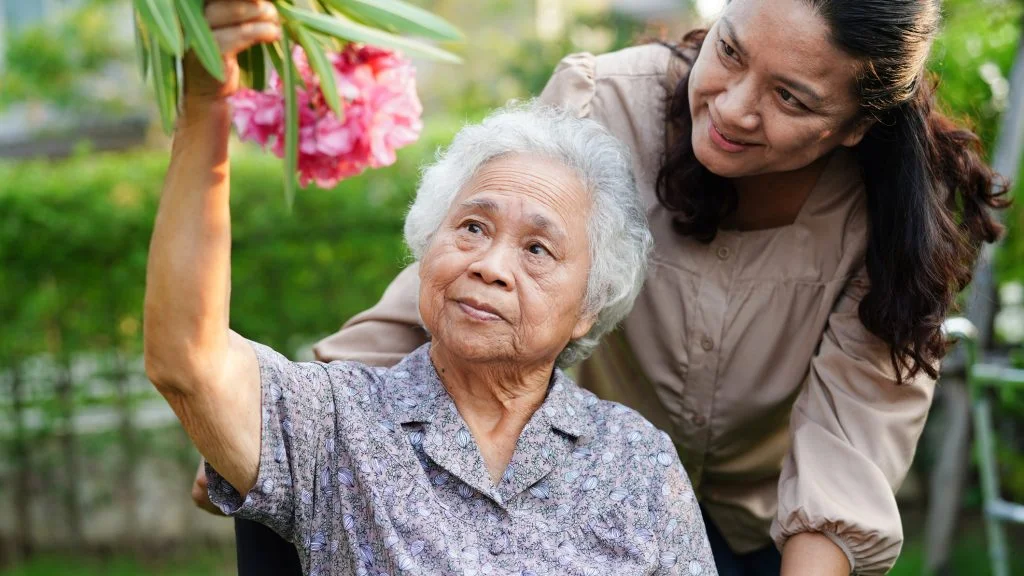
Paid family caregiving in Montana allows relatives to receive compensation for providing daily care to a loved one who cannot live independently due to age, illness, or disability. Instead of relying solely on outside agencies, the state enables family members to serve as personal caregivers under specific Medicaid or veteran-directed programs. This arrangement not only supports family unity but also helps individuals remain safely in familiar home environments rather than moving into nursing facilities.
How It Works
Montana’s paid caregiving options operate mainly through self-directed Medicaid programs such as Personal Assistance Services (PAS), Community First Choice (CFC), and the Big Sky Waiver. These programs empower the care recipient-or their representative-to select, train, and manage their caregiver. Once approved, family caregivers are paid for assisting with daily living activities like bathing, grooming, cooking, and transportation.
Why It Matters
This approach acknowledges the essential role family caregivers play in Montana’s healthcare system. It gives caregivers formal recognition, financial relief, and access to resources that improve care quality. For many families, paid caregiving provides stability, allowing loved ones to age or recover at home while maintaining dignity, comfort, and independence. It’s both a practical and compassionate solution to long-term care challenges.
What Are the Benefits of Paid Caregiving?
-
Professional Care: Paid caregivers are trained professionals with the skills and experience to provide quality support while helping your loved one maintain their independence.
-
Family Harmony: Hiring a professional allows family members to continue their roles as loving, supportive relatives, rather than full-time caregivers, reducing potential strain on relationships.
-
Stress Reduction: Juggling caregiving with work and other responsibilities can be stressful. A professional caregiver can alleviate this pressure, allowing family members to focus on their own well-being.
-
Peace of Mind: Knowing your loved one is in the hands of a trained and experienced professional can reduce worry and anxiety, giving your family peace of mind.
-
Specialized Support: Professional caregivers are often trained to handle specific conditions or needs, ensuring your loved one receives the best possible care tailored to their unique situation.
Key Programs That Pay Family Caregivers in Montana

Montana offers several programs that enable family members to receive compensation for providing care to loved ones who are elderly, disabled, or chronically ill. These programs are designed to promote independence and allow individuals to remain in their homes instead of moving into institutional settings.
Below are the main options available for paid family caregiving in Montana.
1. Self-Directed Personal Assistance Services (PAS)
The Personal Assistance Services (PAS) program, funded through Montana Medicaid, provides support for individuals who need help with activities of daily living such as bathing, eating, dressing, or mobility. Under the self-directed model, eligible individuals can choose and hire their own caregiver-including qualified family members. The caregiver is then paid through a fiscal intermediary that manages payroll and compliance.
2. Big Sky Waiver Program
The Big Sky Waiver is Montana’s primary Home and Community-Based Services (HCBS) program for seniors and adults with disabilities. It covers services such as personal care, meal preparation, respite, and homemaking. Family members may be hired and compensated for caregiving duties if approved through the participant-directed option. This waiver helps prevent unnecessary nursing home placement by supporting home-based living arrangements.
3. Community First Choice (CFC)
Community First Choice (CFC) is another Medicaid-funded program that supports people who need ongoing assistance with daily living. Participants can hire relatives as caregivers through an approved agency or consumer-directed model. In addition to personal care, the program can fund home modifications and assistive technology to improve safety and independence.
4. Veteran-Directed Care (VDC)
For veterans living in Montana, the Veteran-Directed Care (VDC) program allows them to use monthly VA funds to hire caregivers of their choice, including family members. Veterans receive a flexible budget to manage care expenses and maintain control over their care plan.
Together, these programs provide flexible, family-centered solutions that recognize caregiving as both a vital service and a meaningful profession.
Eligibility Requirements for Paid Family Caregivers in Montana

To qualify as a paid family caregiver in Montana, both the care recipient and the caregiver must meet specific state and program criteria. Key requirements include:
-
Residency: The care recipient must be a legal resident of Montana.
-
Medical Need: They must require help with activities of daily living such as bathing, eating, dressing, or mobility, as verified through a state-conducted functional assessment.
-
Financial Eligibility: The care recipient must qualify for Montana Medicaid or the Big Sky Waiver, which have income and asset limits.
-
Age or Disability: Must be an older adult, person with disabilities, or an individual requiring long-term support.
-
Approved Program Enrollment: The individual must be accepted into a qualifying program such as PAS, CFC, or the Big Sky Waiver.
-
Eligible Family Member: Caregivers must be at least 18 years old and capable of performing required care tasks.
-
Background Check: All paid caregivers must pass a criminal background screening.
-
Training and Documentation: Some programs require orientation, training, or signed service agreements before payment can begin.
Meeting these conditions ensures families receive compensation while maintaining compliance with Montana’s Medicaid and long-term care regulations.
Step-by-Step: How to Get Paid as a Family Caregiver in Montana

Becoming a paid family caregiver in Montana allows you to earn compensation for providing care to a loved one while helping them maintain their independence at home. The process involves several key steps, including determining eligibility, choosing the right program, completing required assessments, and meeting ongoing documentation requirements.
Below is a detailed, step-by-step guide on how to navigate this process effectively.
Step 1: Determine Your Loved One's Eligibility
The first and most important step is to confirm that your loved one qualifies for a state-funded caregiving program. Most paid caregiver opportunities in Montana are tied to Medicaid or veteran-directed programs, which require both medical and financial eligibility.
To qualify, your loved one must:
-
Be a Montana resident.
-
Require help with daily living activities such as bathing, dressing, eating, or mobility.
-
Meet income and asset limits for Montana Medicaid or the Big Sky Waiver.
-
Prefer to live at home rather than in a nursing facility.
Contact the Montana Department of Public Health and Human Services (DPHHS) or your local Area Agency on Aging (AAA) to start the screening process. If your loved one is a veteran, reach out to the Veterans Affairs (VA) Caregiver Support Program for eligibility evaluation.
Step 2: Schedule a Functional Needs Assessment
Once your loved one’s preliminary eligibility is confirmed, the next step is a functional assessment conducted by a nurse or case manager. This assessment evaluates the care recipient’s physical, mental, and functional needs to determine the level of assistance required.
During the assessment, the caseworker reviews:
-
Ability to perform daily tasks (bathing, grooming, toileting, meal prep, etc.)
-
Medical conditions and mobility limitations
-
Cognitive and emotional health
-
Home safety and accessibility
Based on this evaluation, the caseworker develops a care plan outlining the number of caregiving hours and services approved per week. This step is crucial, as it directly affects how much the caregiver will be paid and under which program they will qualify.
Step 3: Choose the Right Program
Montana offers several programs that allow family caregivers to be compensated. The most common options include:
Self-Directed Personal Assistance Services (PAS): Enables individuals with disabilities or long-term care needs to hire and manage their own caregivers, including family members.
Big Sky Waiver Program: A Home and Community-Based Services (HCBS) waiver that helps seniors and individuals with disabilities avoid institutional care. Family members can be paid caregivers under this waiver’s participant-directed option.
Community First Choice (CFC): Supports individuals who qualify for Medicaid and need help with daily living activities. It offers a self-directed model where care recipients can hire relatives as caregivers.
Veteran-Directed Care (VDC): Funded through the U.S. Department of Veterans Affairs, this program gives veterans a monthly budget to hire family caregivers and manage their in-home care.
Selecting the right program depends on your loved one’s medical needs, financial eligibility, and whether they are a veteran. Each program has different rules, so it’s essential to confirm caregiver eligibility before applying.
Step 4: Enroll in the Program and Complete Documentation
Once your loved one is accepted into a caregiving program, both the care recipient and the caregiver must complete enrollment paperwork. The process generally includes:
-
Completing an official caregiver agreement or employment contract.
-
Submitting identification and tax forms (W-4, I-9, etc.).
-
Undergoing a background check as required by Montana Medicaid or the fiscal management agency.
-
Completing orientation and basic caregiver training, if applicable.
Most programs operate through a Fiscal Management Service (FMS) or financial intermediary, which handles payroll, taxes, and time reporting. You will be required to enroll with this agency to receive payment.
Step 5: Begin Providing Care and Logging Hours
Once enrollment is approved, you can officially begin caregiving duties. Caregiver responsibilities may include:
-
Assisting with bathing, grooming, dressing, and mobility.
-
Helping with meals, medication reminders, and housekeeping.
-
Providing companionship and transportation to medical appointments.
It’s essential to accurately record all hours worked using the Electronic Visit Verification (EVV) system or approved paper timesheets. These records must be submitted weekly or biweekly to ensure proper payment. The number of hours you can work-and how much you’ll be paid-depends on the care plan authorized by the caseworker.
Pay rates for family caregivers in Montana typically range between $14 and $20 per hour, depending on the county, program, and level of care required.
Step 6: Maintain Compliance and Renew Enrollment as Needed
To remain eligible for payment, caregivers must comply with all program requirements, which include:
-
Submitting timesheets or EVV logs accurately and on time.
-
Reporting any significant changes in the care recipient’s health, finances, or living situation.
-
Completing annual reassessments conducted by the case manager.
-
Participating in ongoing training or refresher courses if required by the program.
Missing documentation or failing to report changes can result in delayed payments or loss of eligibility, so consistent communication with your program coordinator is essential.
Step 7: Plan for Long-Term Sustainability
Caregiving can be a long-term commitment. To make it sustainable, caregivers should:
-
Keep detailed records of care activities and hours.
-
Establish a self-care routine to prevent burnout.
-
Seek respite care services when needed.
-
Stay updated on program changes or additional benefits available through Medicaid or VA services.
Regularly reviewing your care plan ensures continued eligibility and helps adapt to changes in your loved one’s needs over time.
Becoming a paid family caregiver in Montana takes effort, but the rewards are significant-both emotionally and financially. By following these steps, you can secure fair compensation while providing high-quality, compassionate care to your loved one. Whether through Medicaid, the Big Sky Waiver, or veteran-directed programs, Montana offers families multiple paths to maintain independence, dignity, and peace of mind in the comfort of home.
Training and Certification Requirements
Training and certification requirements for paid family caregivers in Montana vary depending on the program but are designed to ensure quality, safety, and compliance with state standards. Caregivers must generally be at least 18 years old and able to perform daily living support tasks such as bathing, mobility assistance, and meal preparation.
Most programs, including the Big Sky Waiver and Personal Assistance Services (PAS), require caregivers to complete a background check, orientation, and basic skills training before providing paid care. Training may cover topics like infection control, emergency response, medication reminders, and communication with care coordinators.
Caregivers hired under Medicaid self-directed programs are often trained by the care recipient or their representative, focusing on individual needs. Ongoing education or recertification may be required annually to maintain eligibility and ensure caregivers continue meeting Montana’s safety and quality care standards.
Important Considerations and Challenges for Family Caregivers in Montana

-
Complex Application Process: Navigating Medicaid, waivers, and program requirements can be time-consuming and may require multiple assessments and documents.
-
Limited Program Availability: Some family caregiving programs have waiting lists or limited funding, delaying approval and payment.
-
Eligibility Restrictions: Not all relatives qualify; spouses or legal guardians are often excluded under Medicaid-funded programs.
-
Emotional Boundaries: Balancing the personal and professional sides of caregiving can be emotionally taxing, especially when caring for close family members.
-
Administrative Responsibilities: Accurate time tracking, submitting Electronic Visit Verification (EVV) logs, and maintaining documentation are required for consistent payments.
-
Variable Pay Rates: Compensation depends on program type, county, and authorized hours, which may not fully reflect the workload.
-
Burnout and Fatigue: Long hours without adequate respite can lead to physical and emotional exhaustion.
-
Ongoing Compliance: Caregivers must complete training updates, reassessments, and renewals regularly to remain eligible for pay.
Understanding these challenges helps families prepare effectively, ensuring the caregiving arrangement remains both rewarding and sustainable.
Are spouses eligible to receive payment?
In Montana, spouses are generally not eligible to receive payment for caring for their husband or wife under most Medicaid-funded programs, such as the Big Sky Waiver or Community First Choice (CFC). These programs typically exclude spouses to prevent conflicts of interest, though other family members-such as adult children, siblings, or extended relatives-may qualify.
However, exceptions can exist in certain self-directed care models or Veteran-Directed Care (VDC) programs, where the veteran or participant has full authority to choose and hire their spouse as a paid caregiver.
Tips for Successful Caregiving
-
Stay Organized: Keep detailed records of medications, appointments, and care activities to ensure consistent quality care.
-
Communicate Clearly: Maintain open communication with case managers, healthcare providers, and family members to prevent misunderstandings.
-
Follow the Care Plan: Adhere to the individualized plan approved by the state or program coordinator.
-
Use Respite Care: Take advantage of respite services or short breaks to prevent burnout and maintain balance.
-
Track Hours Accurately: Submit timesheets or Electronic Visit Verification (EVV) logs promptly for on-time payment.
-
Seek Support: Join caregiver support groups or training sessions to build confidence and gain emotional support.
-
Practice Self-Care: Rest, eat well, and make time for yourself-your well-being is essential to providing consistent, compassionate care.
Resources to Get Started in Montana
Montana Department of Public Health and Human Services (DPHHS): Provides information on Medicaid, PAS, and the Big Sky Waiver. Visit https://dphhs.mt.gov.
Area Agencies on Aging (AAA): Local offices offer caregiver training, respite funding, and enrollment help. Find your local office at https://dphhs.mt.gov/sltc/aging.
Montana 211: Connects caregivers with local disability, aging, and financial assistance programs. Visit https://montana211.org.
Veteran-Directed Care (VDC): Helps veterans hire family caregivers using VA funds. Learn more at https://www.caregiver.va.gov.
These resources help families understand eligibility, apply for benefits, and access ongoing caregiver support across Montana.
FAQs
Can I get paid to take care of my mother in Montana?
Yes. Montana’s community based services waiver and structured family caregiving program under government programs help families care for aging parents at a nursing facility level in their own homes. These programs enable families to access financial support, nutrition services, and case management to reduce financial stress.
Can a family member get paid to be a caregiver in Montana?
Yes. Certain family members may qualify through community based services program, medicaid waiver programs, or veteran directed care program. These public benefits and support services offer financial support and paid family leave, while social workers and disability resource center teams guide families through eligibility.
Can you get paid for taking care of your parents in Montana?
Yes. The family caregiver support program and Montana’s Big Sky Waiver provide financial relief and medical care assistance for families supporting aging and disability services recipients. These government programs and disability services also include long term care facilities alternatives for aging parents who prefer own homes.
Can I be a caregiver for my autistic child in Montana?
Yes. Parents may qualify under medicaid waiver programs, developmental disabilities services, and community based services waiver options. Each care program or program offers assistance such as health insurance, support services, and other services coordinated through social workers and case management.
Can a spouse be a paid caregiver in Montana?
Yes. Through structured family caregiving program, veterans benefits, or veteran directed care program, a spouse may receive financial support for nursing home care alternatives. These government programs and aging and disability services help provide financial relief and quality care for those with physical disabilities.
Conclusion
Becoming a paid family caregiver in Montana offers a meaningful way to support your loved one while earning financial assistance for your time and effort. By exploring programs like Personal Assistance Services (PAS), Big Sky Waiver, or Community First Choice (CFC), eligible families can access payment options that make caregiving more sustainable.
Though the process requires patience, documentation, and training, the rewards are long-lasting-allowing loved ones to remain in their homes with comfort and dignity. With guidance from DPHHS and local agencies, families can turn caregiving into a supported and financially stable role.